Pasquale Scognamiglio
Body
of Work
Artistic cycles developed through memory, myth, Mediterranean identity, spirituality, movement and experimentation. Different languages and techniques become fragments of the same visual research.
A Body of Work is not simply a group of images, but a research that develops through time.
These visual cycles bring together works created in different periods and through different techniques. What connects them is the persistence of an idea: myth, memory, sacred imagery, Mediterranean culture, identity, movement and transformation. Some cycles are complete; others continue to evolve as part of an ongoing artistic process.
Birth and Rebirth of Myth
Myth · Archetype · Icarus · Transformation
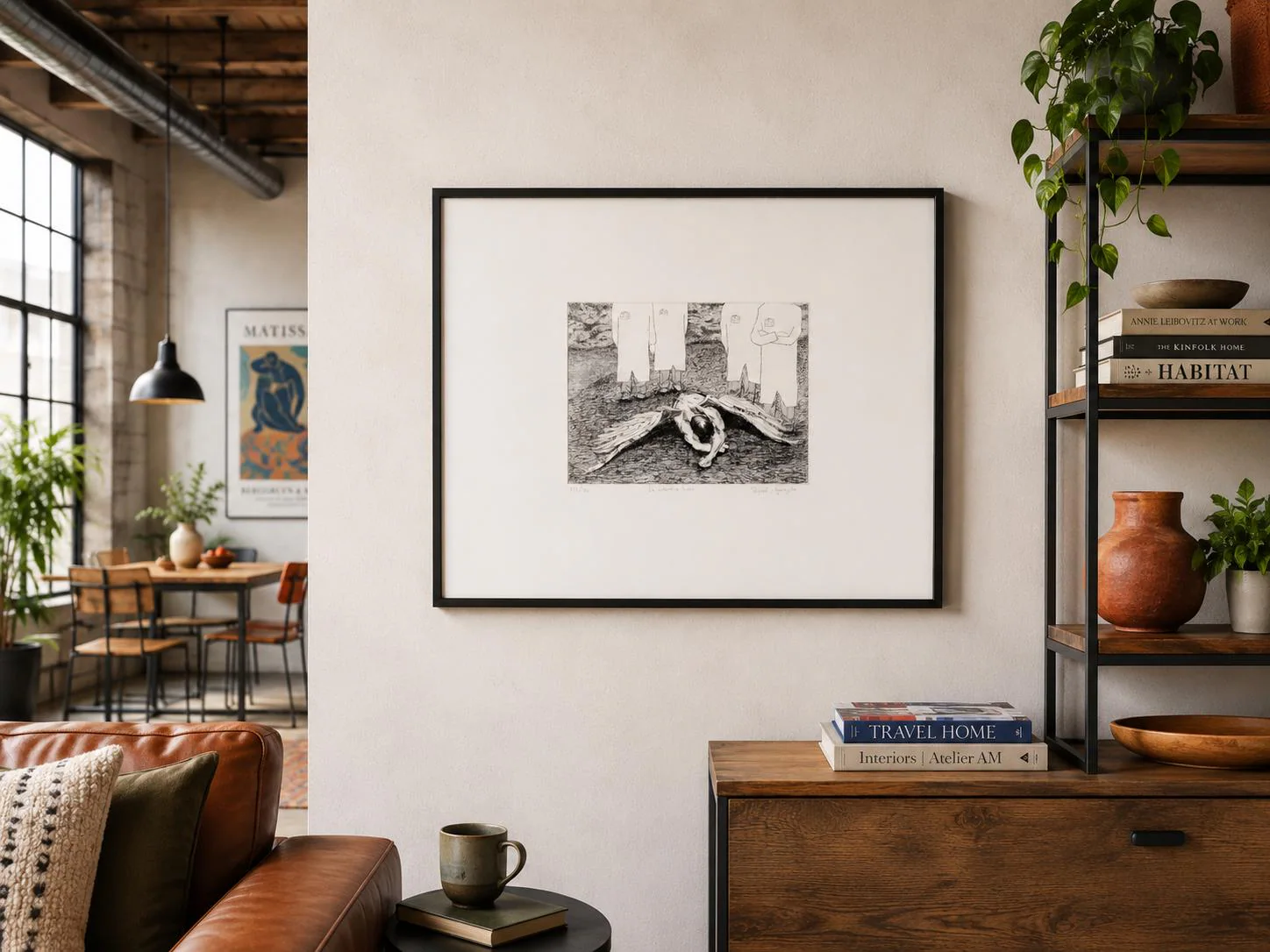
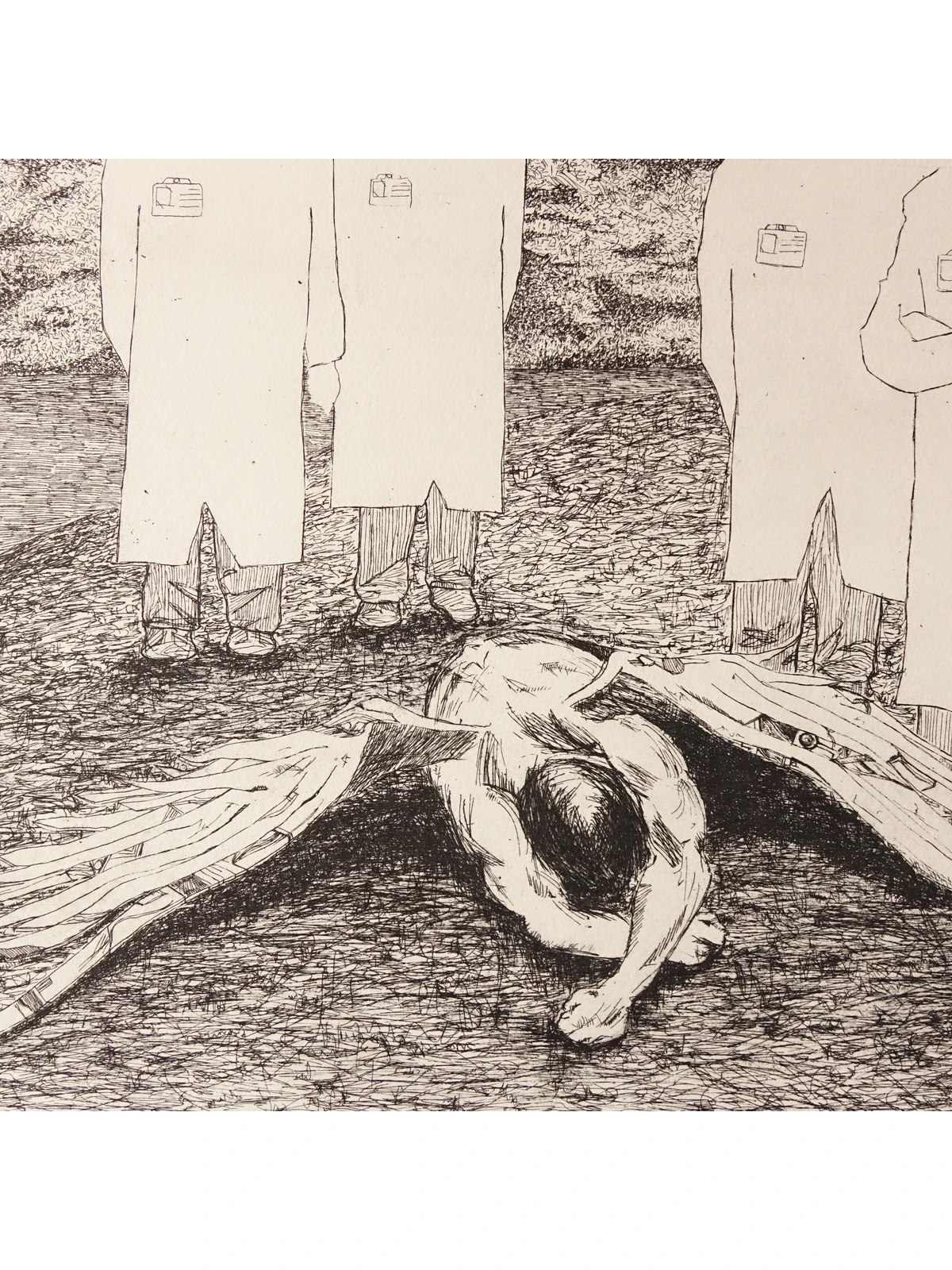
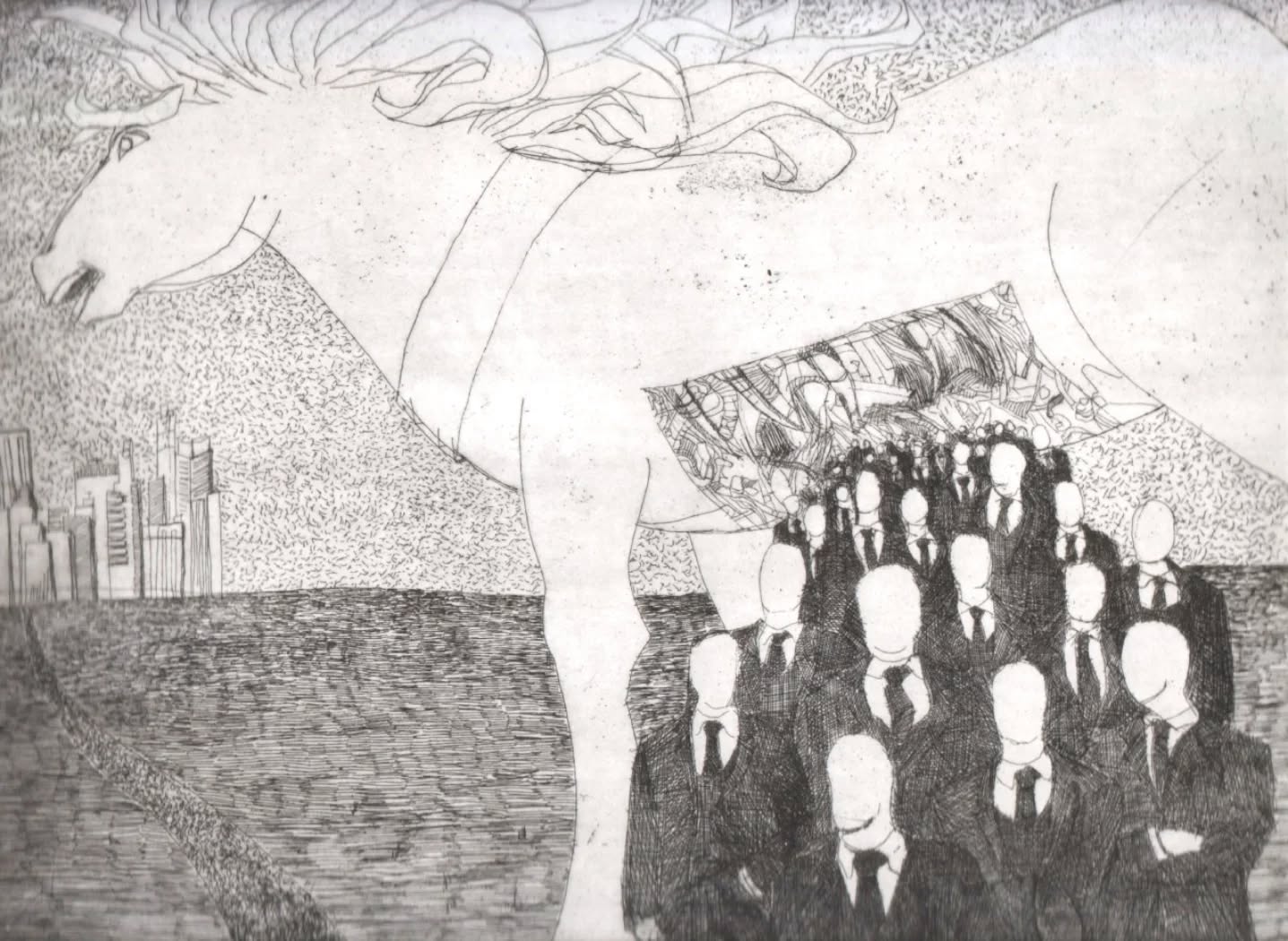
Myth is not treated as a distant story but as a living language capable of describing contemporary human experience. Ancient heroes, symbolic figures and archetypal narratives return as metaphors for ambition, desire, fall, transformation and rebirth. Icarus becomes one of the central figures of this research, suspended between the desire to rise and the awareness of human limits.
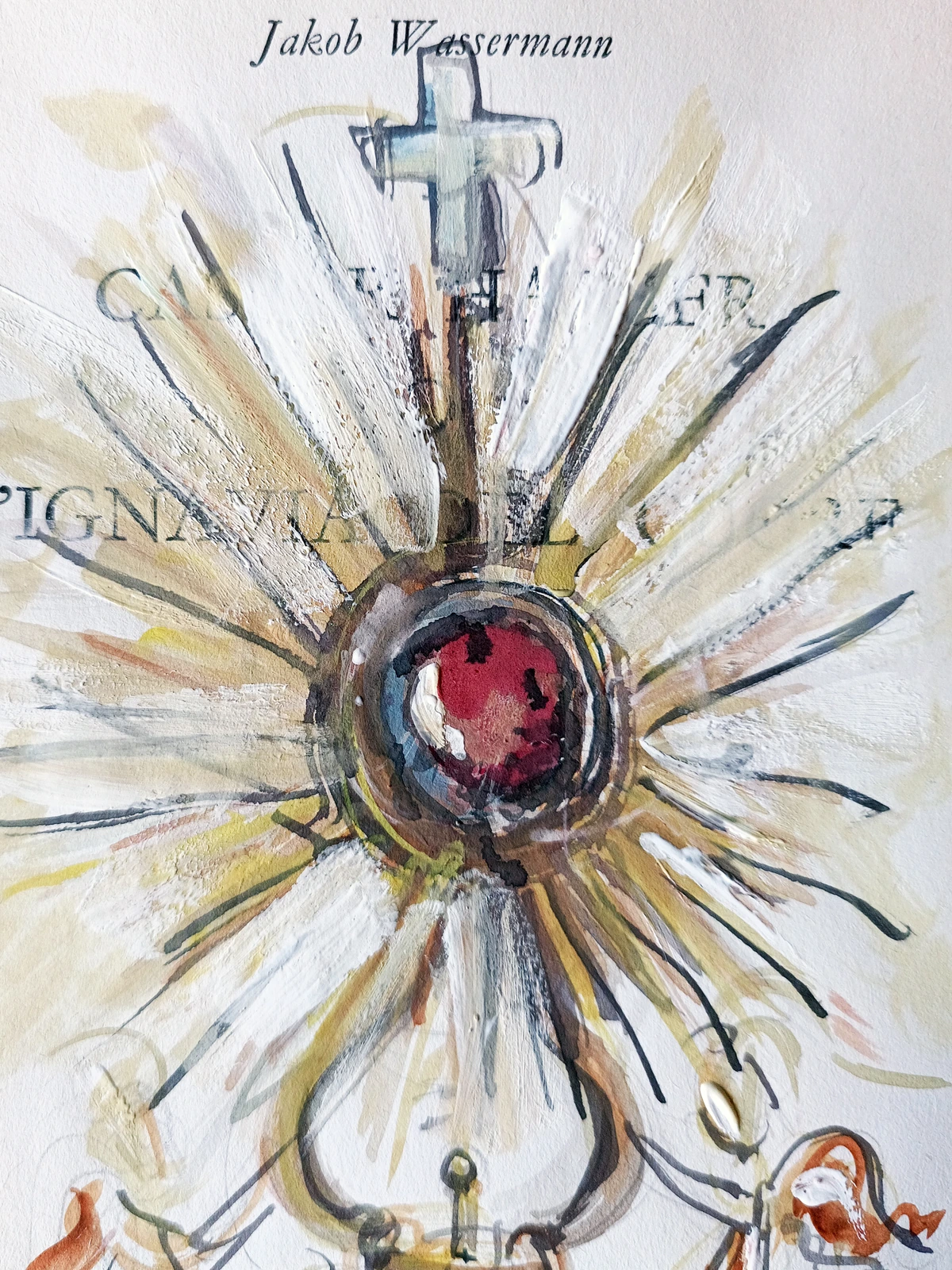
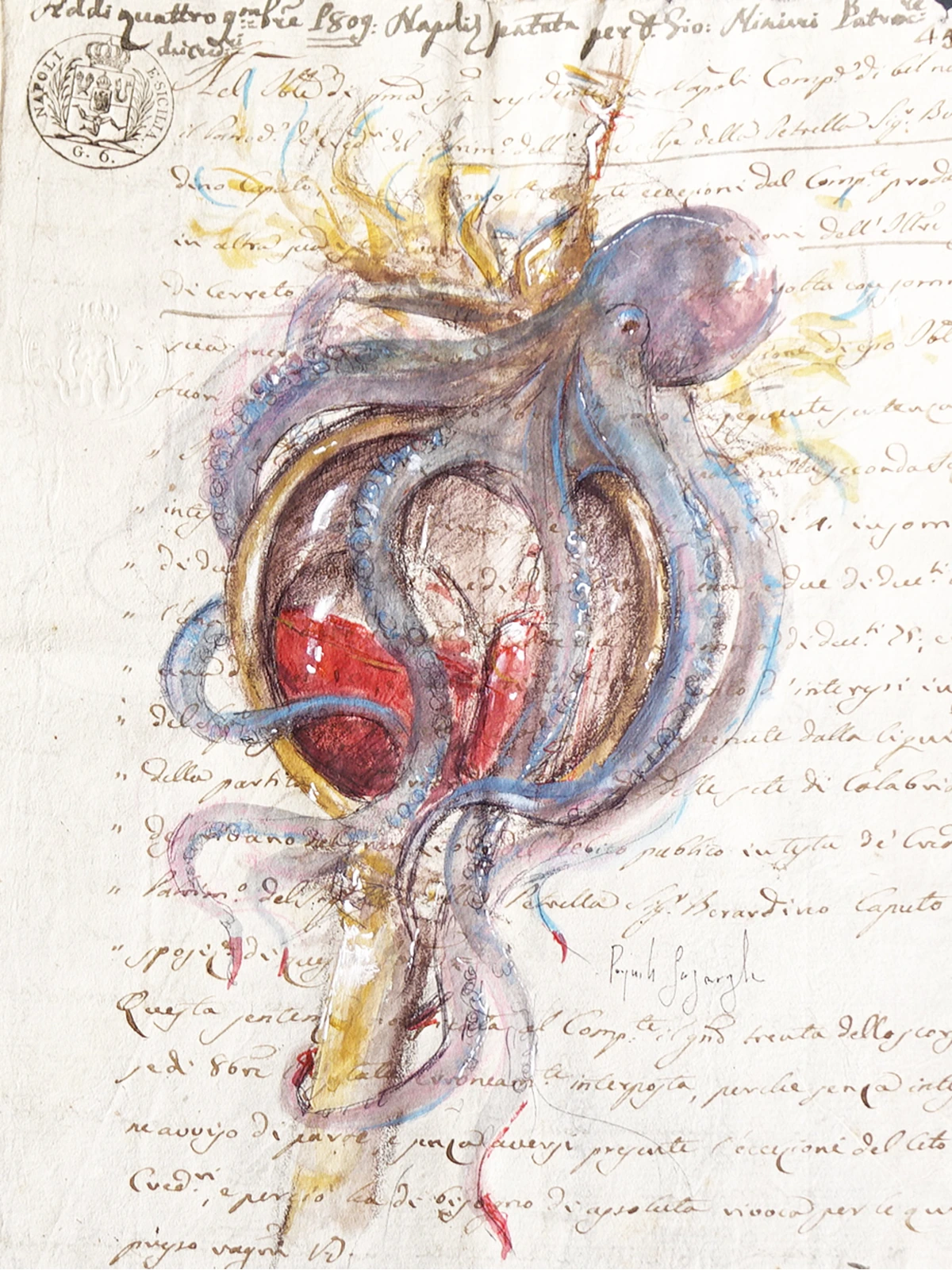
The Ampoules
San Gennaro · Blood · Ritual · Naples
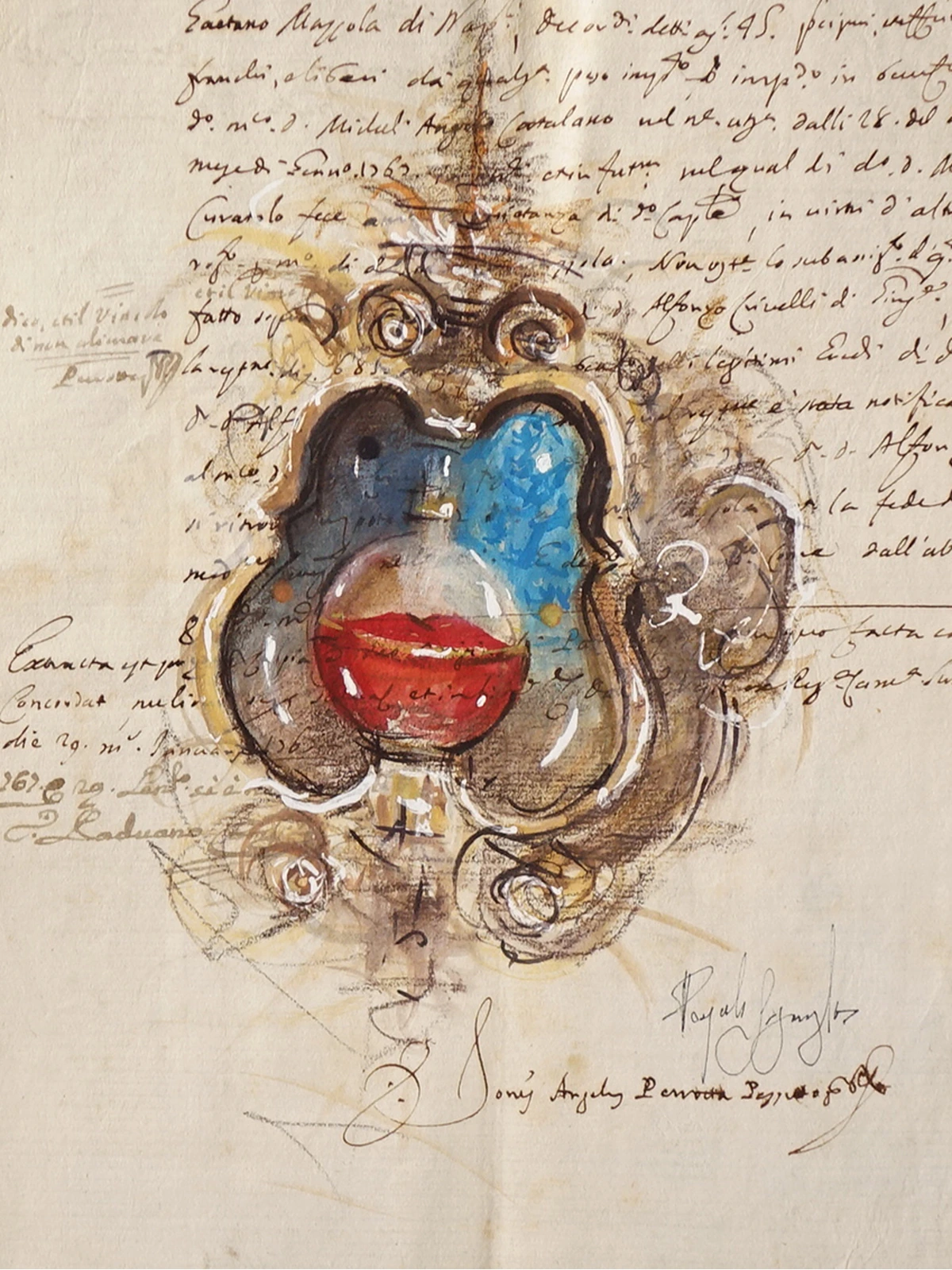
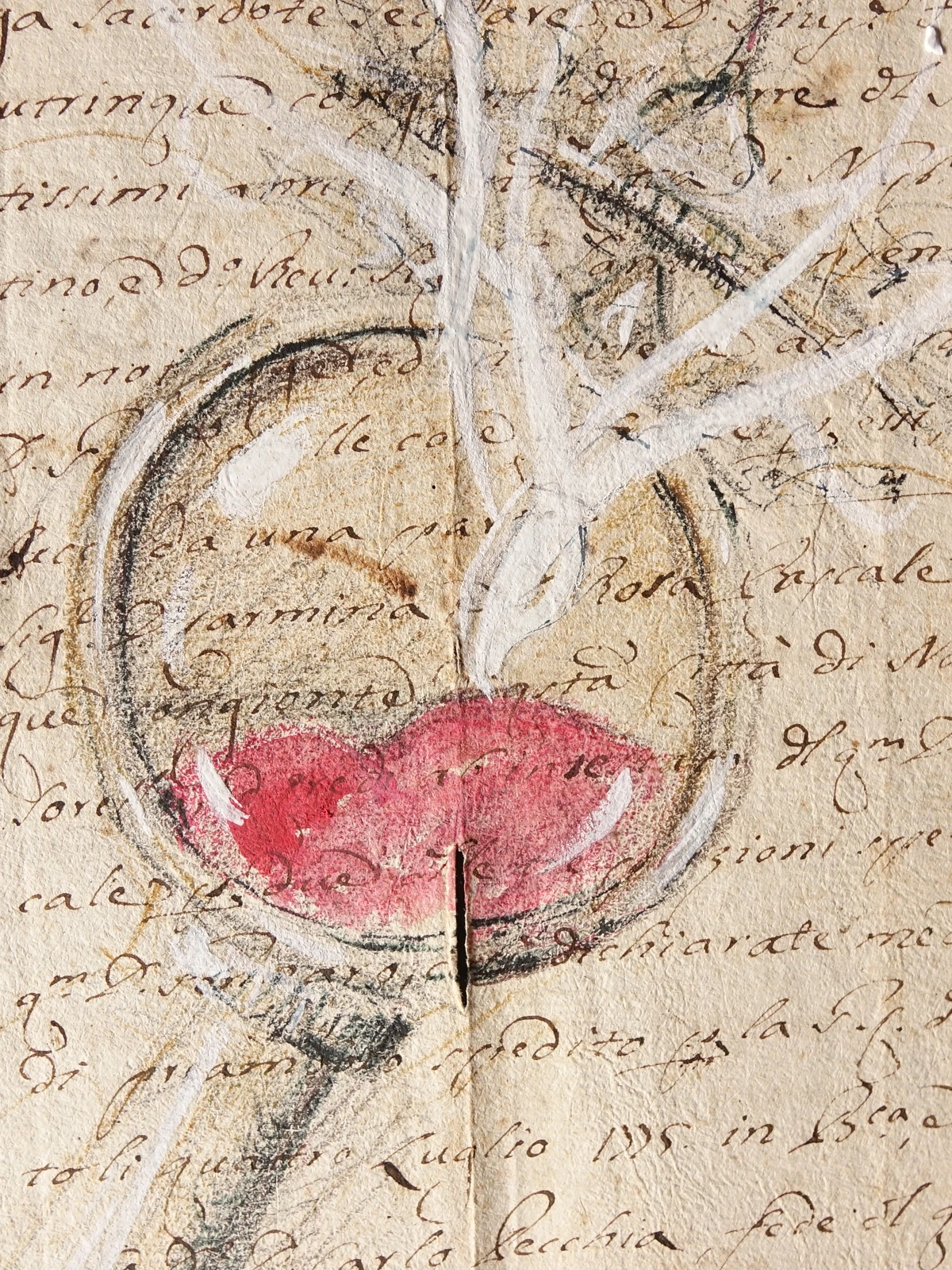
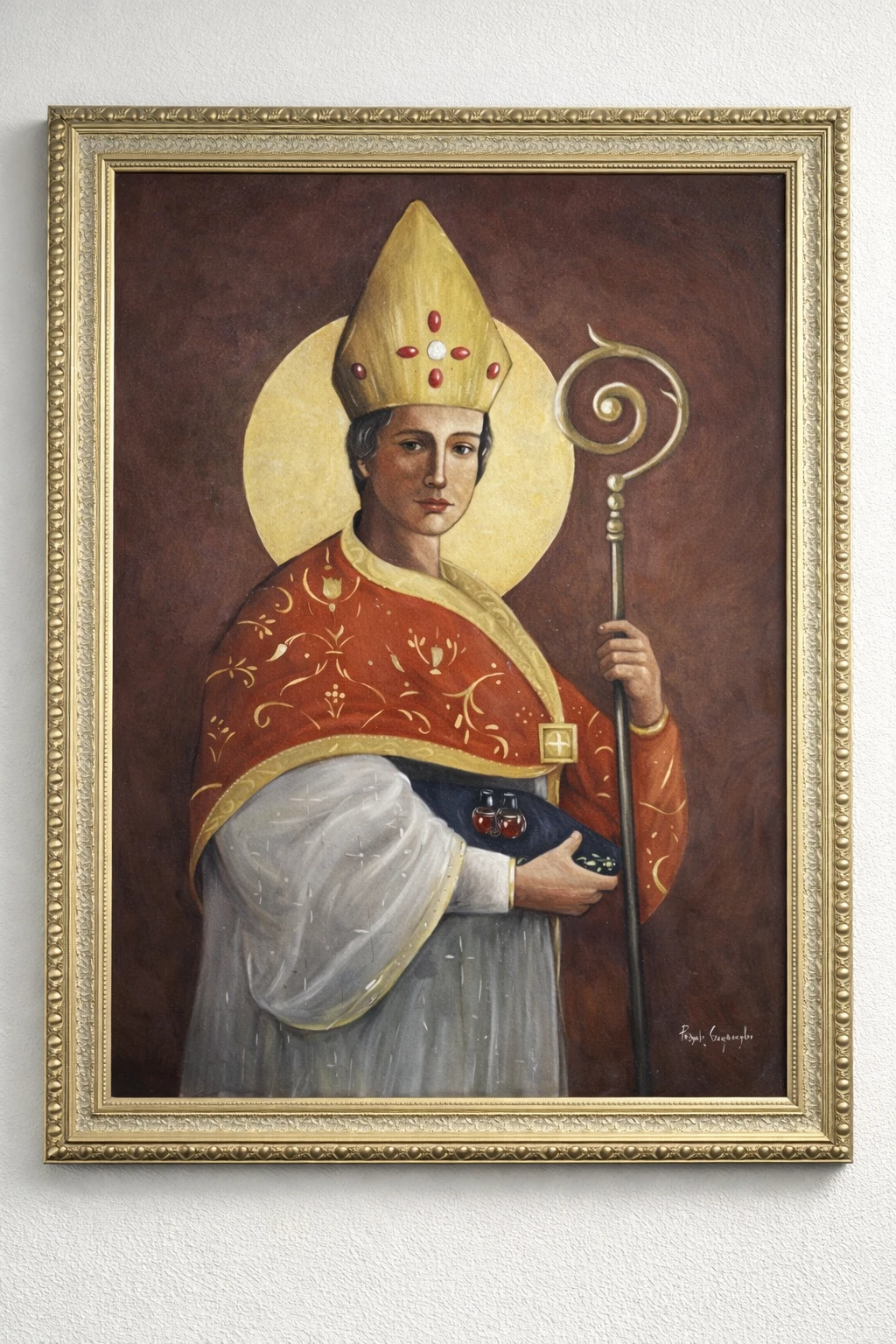
A visual research born around one of the most powerful symbols of Naples: the ampoule containing the blood of San Gennaro. Repeated, transformed and reinterpreted, the ampoule becomes more than a devotional object. It becomes an archetype of waiting, faith, collective identity, miracle and the intimate relationship between Naples and the sacred.
Tales of the Sea
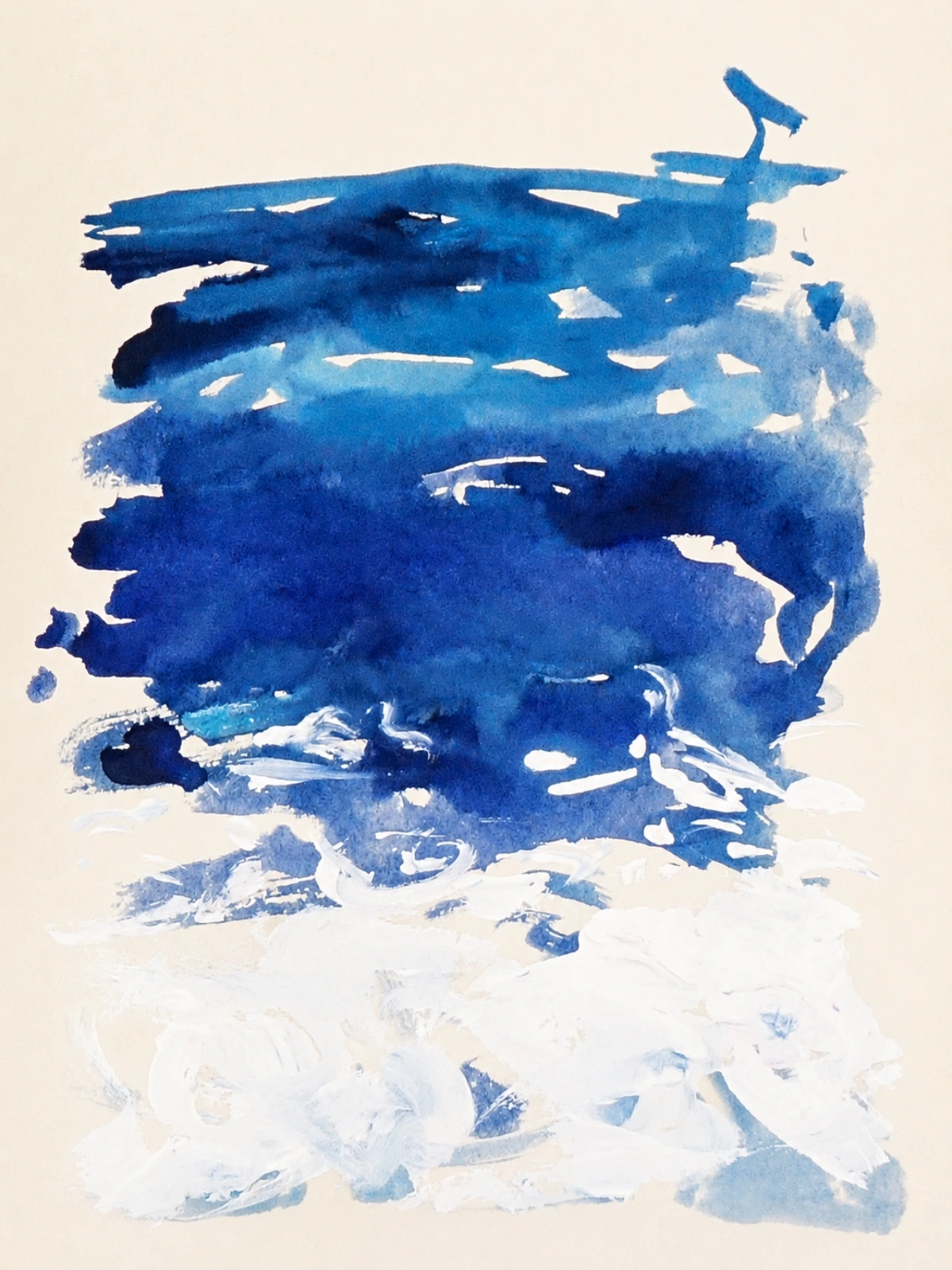
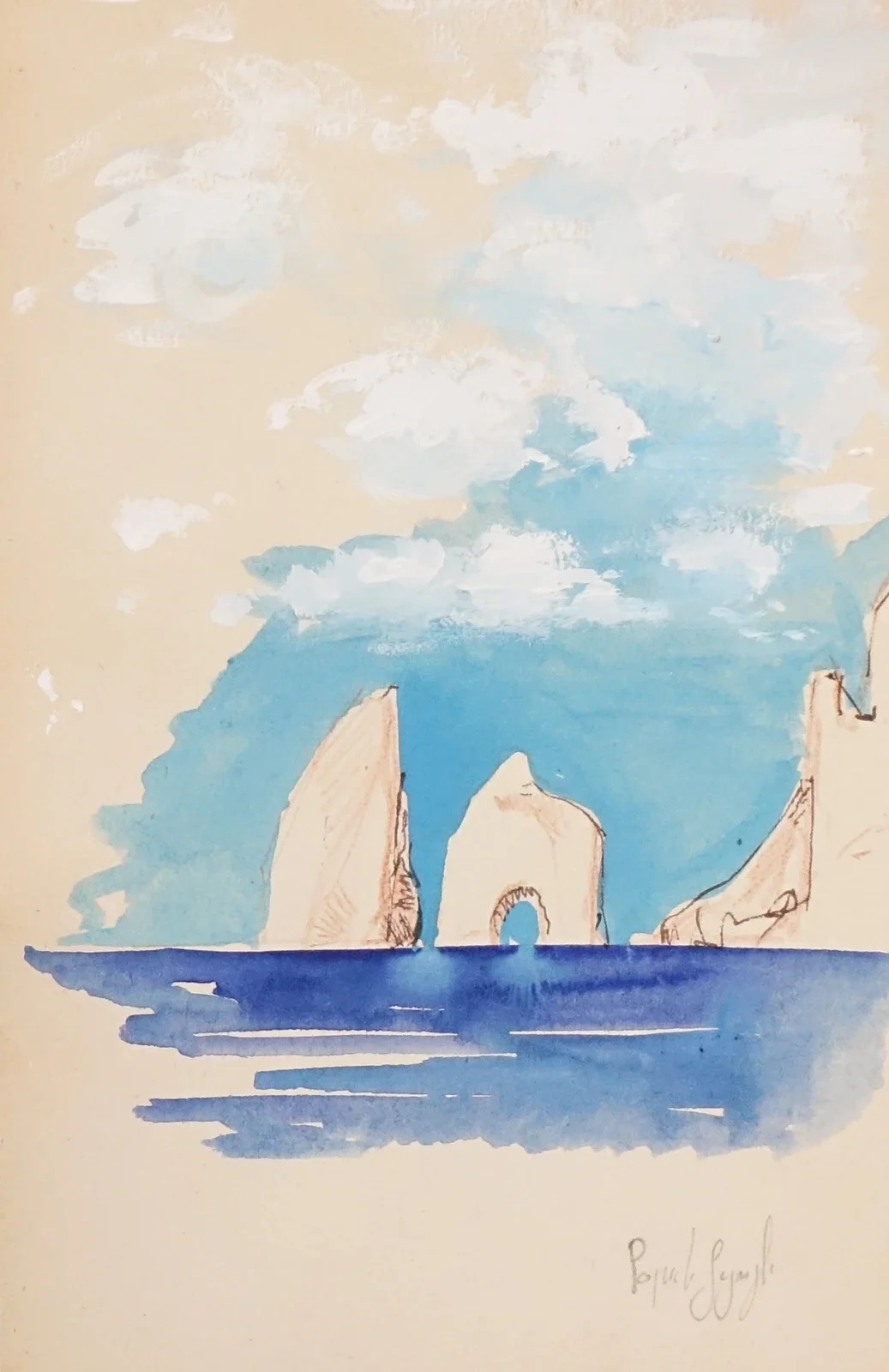
Mediterranean · Sea · Memory · Fragments
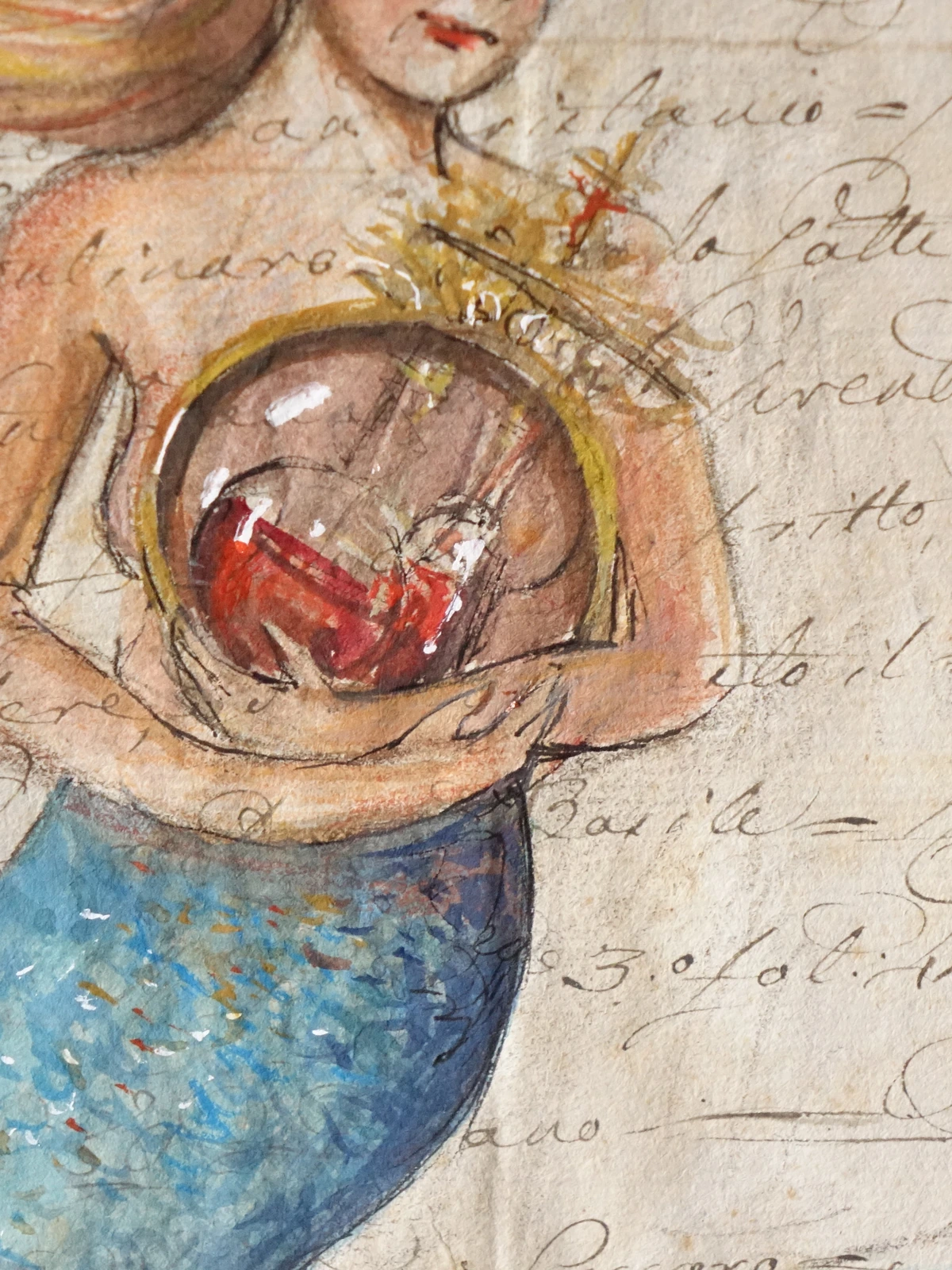
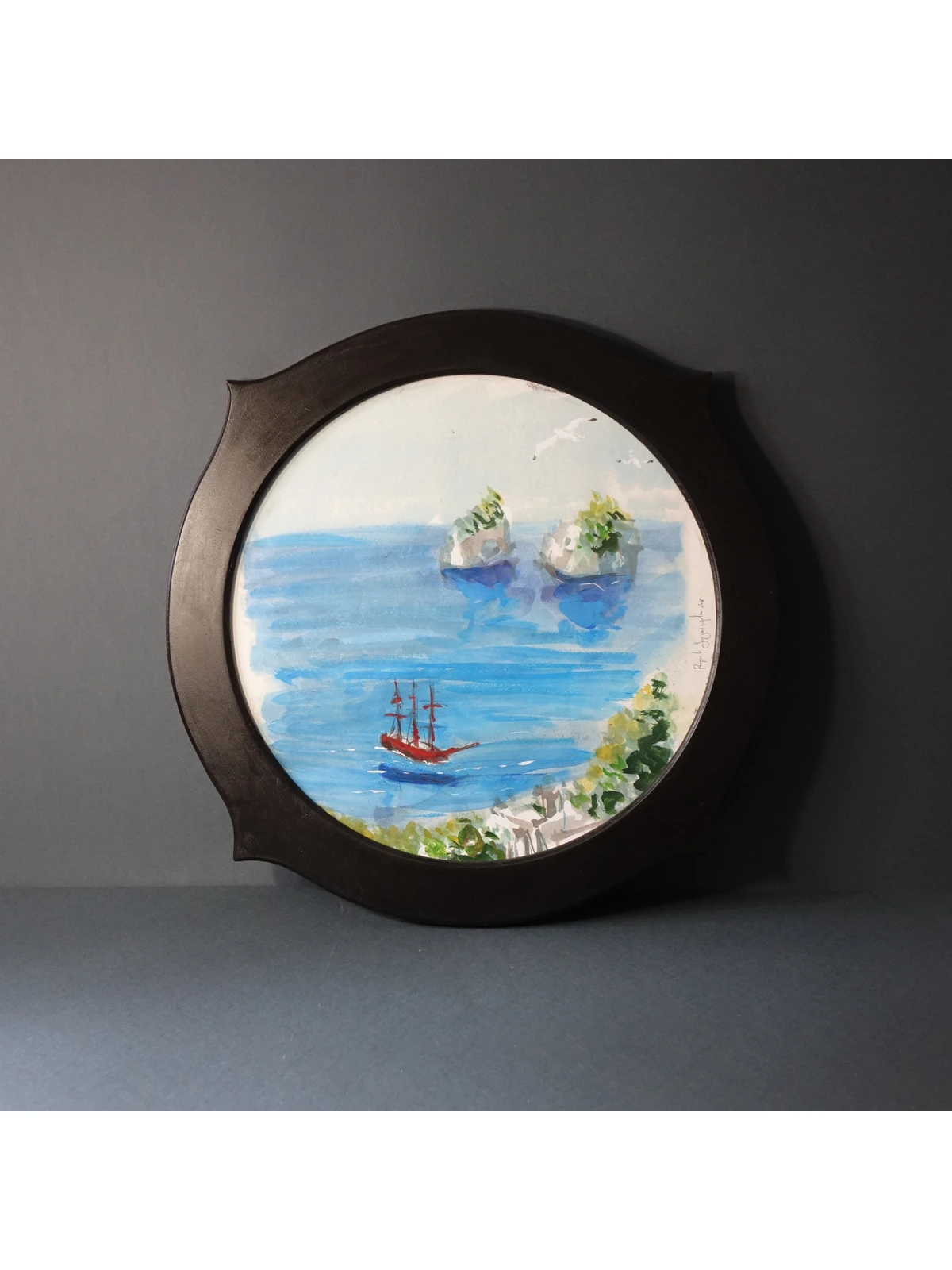
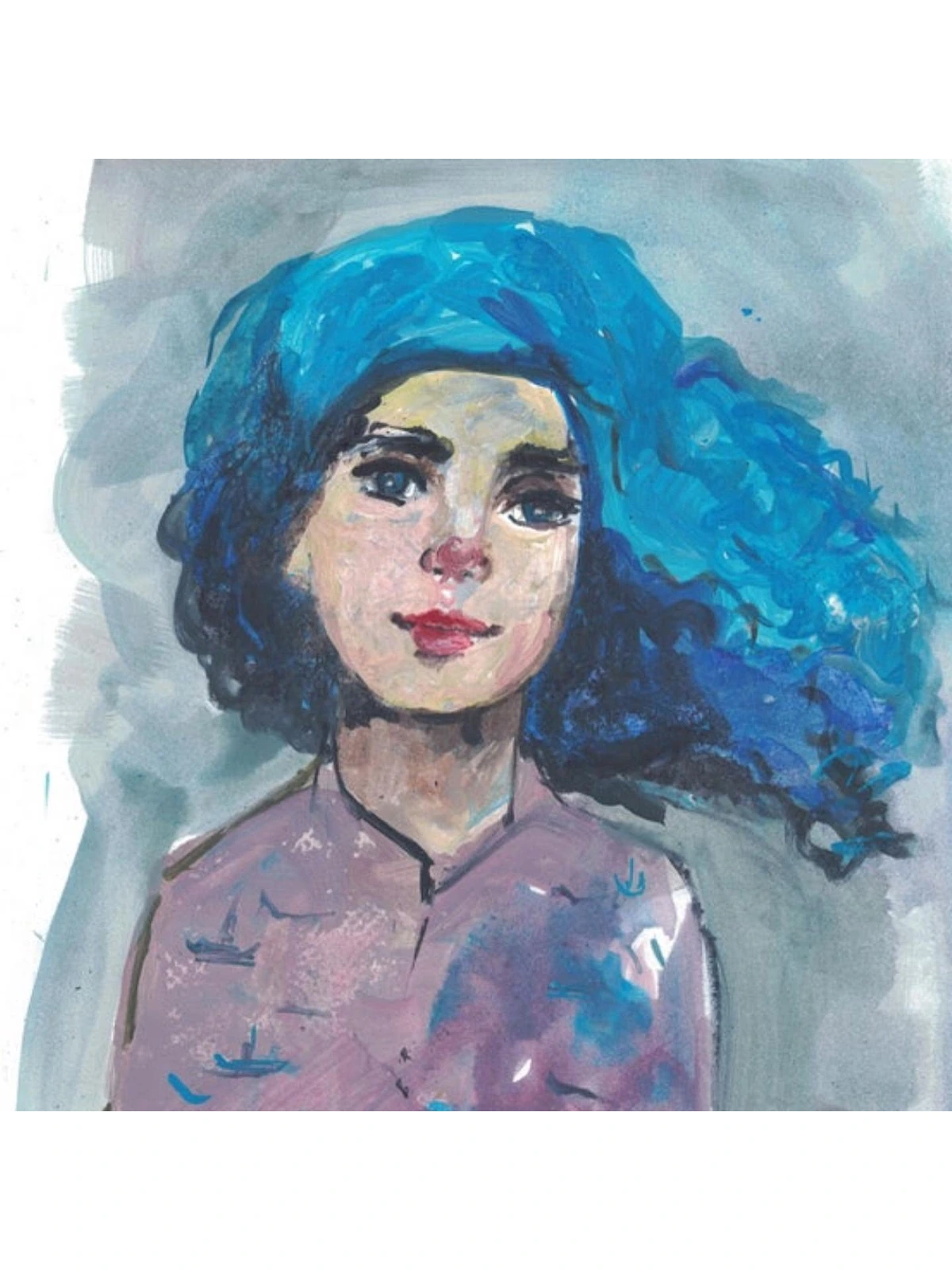
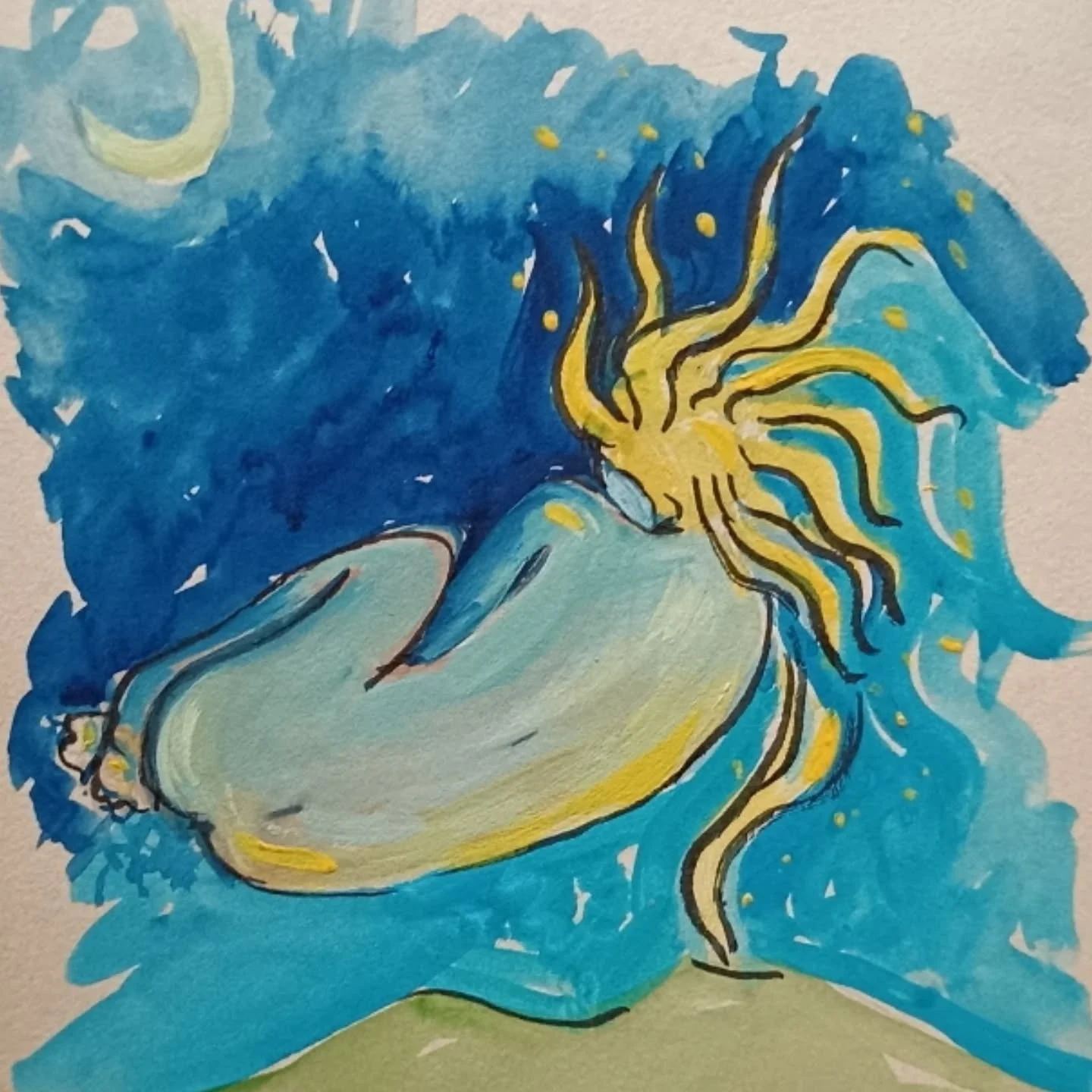
The sea is imagined as an immense archive. Stories, fragments, sirens, boats, bodies and memories emerge from a Mediterranean landscape in which historical reality and imagination overlap. Developed in dialogue with the Museo del Mare di Napoli and the project Racconti del mare, the cycle transforms maritime memory into a visual narrative.
Alchemy of Self
Journey · Spirit · Solitude · Transformation
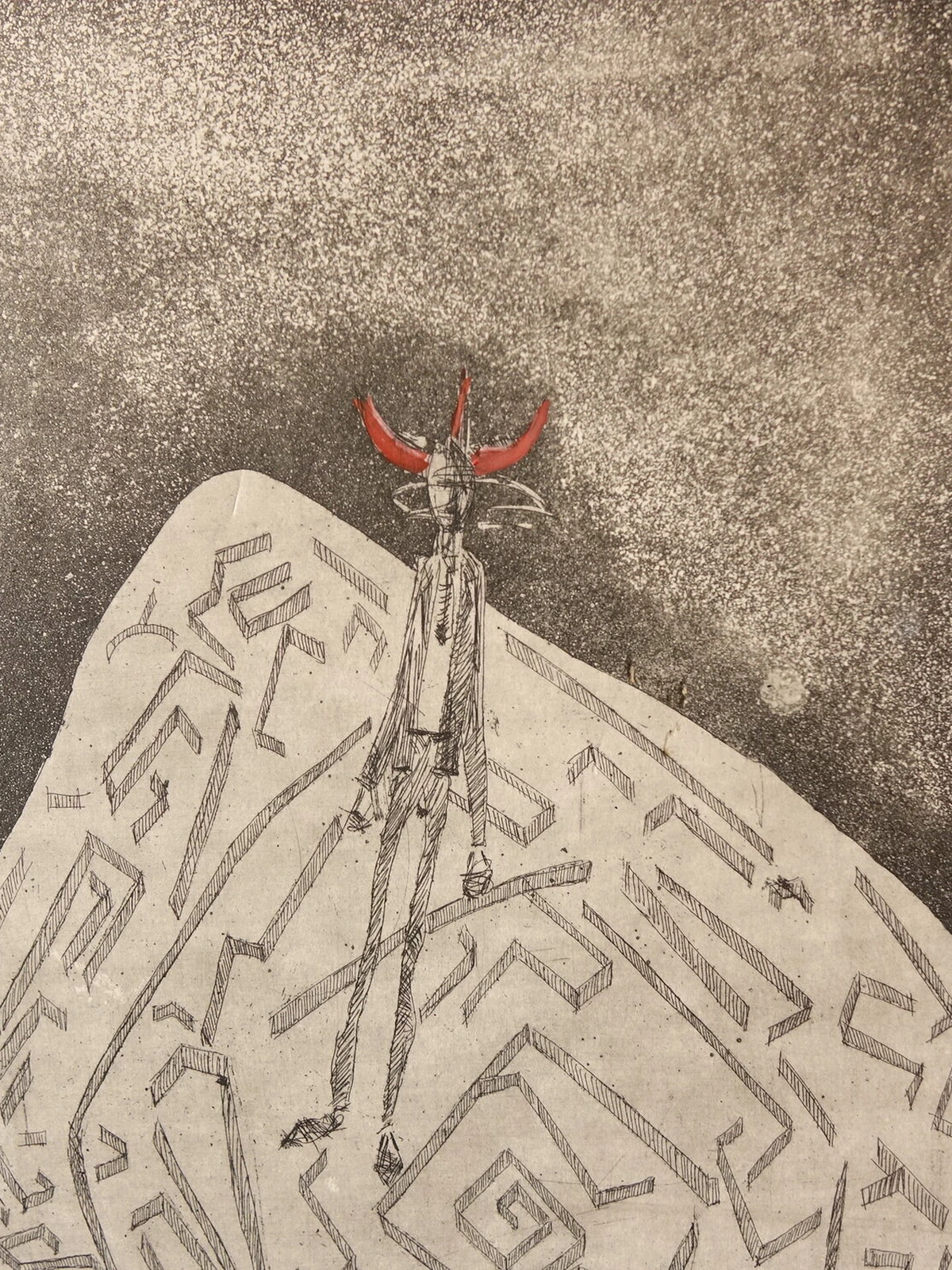
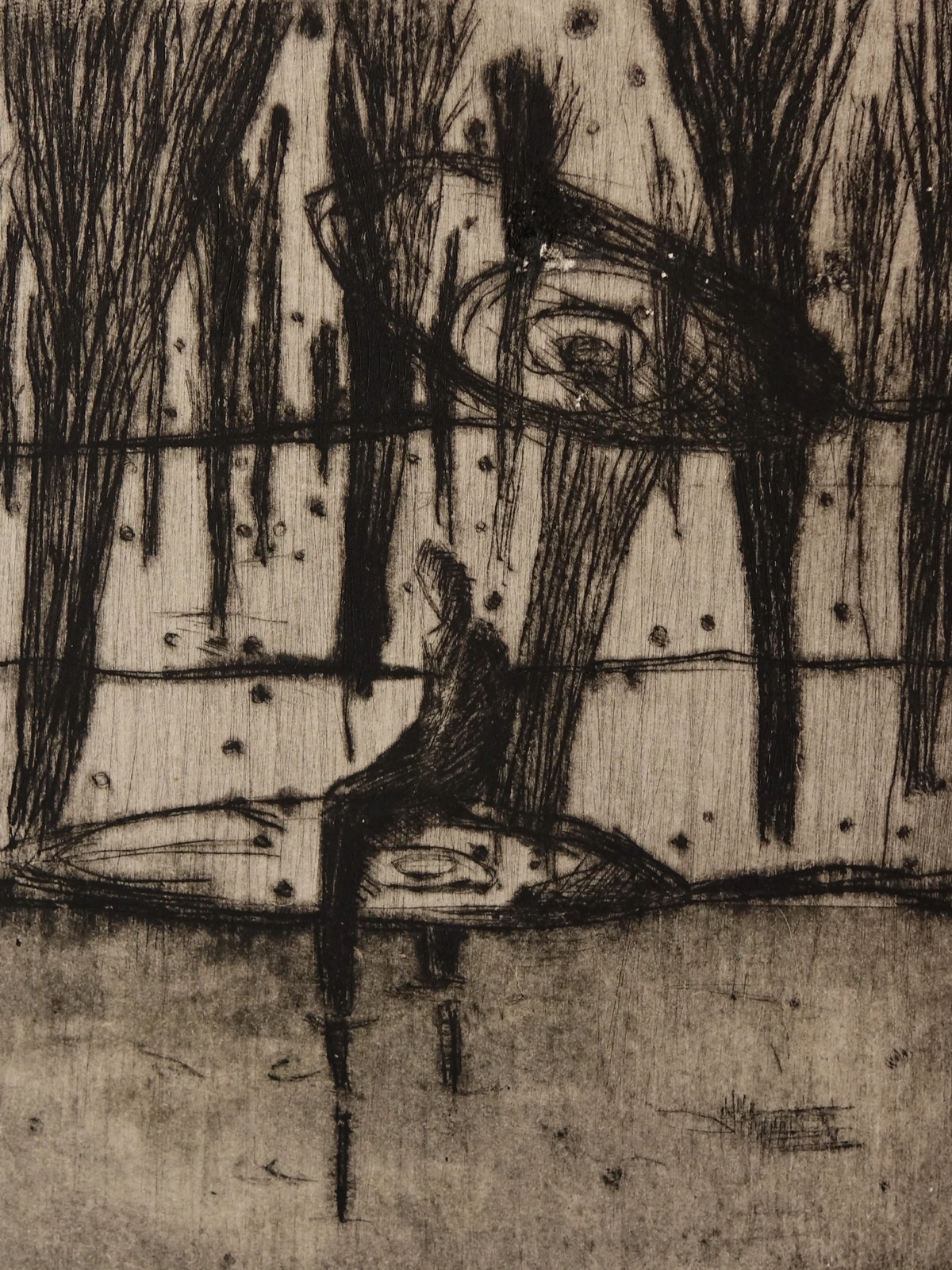
An inner journey in which the image becomes a map of personal transformation. Solitude, angels, thresholds, labyrinths and symbolic presences describe an initiatory path through doubt, consciousness and rebirth. The artwork becomes a place in which the visible world encounters a more intimate and spiritual dimension.
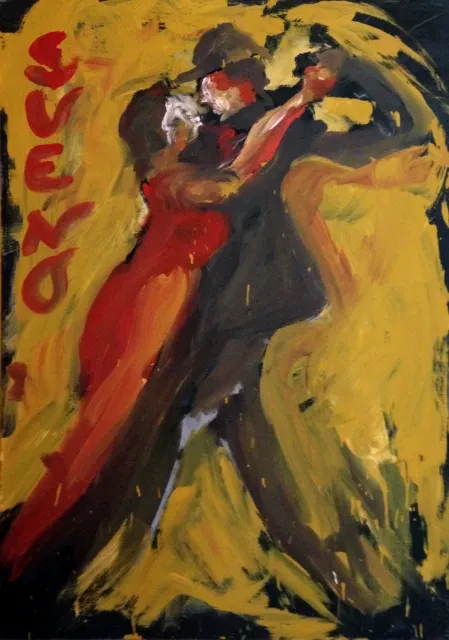
SUEÑO
Painting · Tango · Gesture · Movement
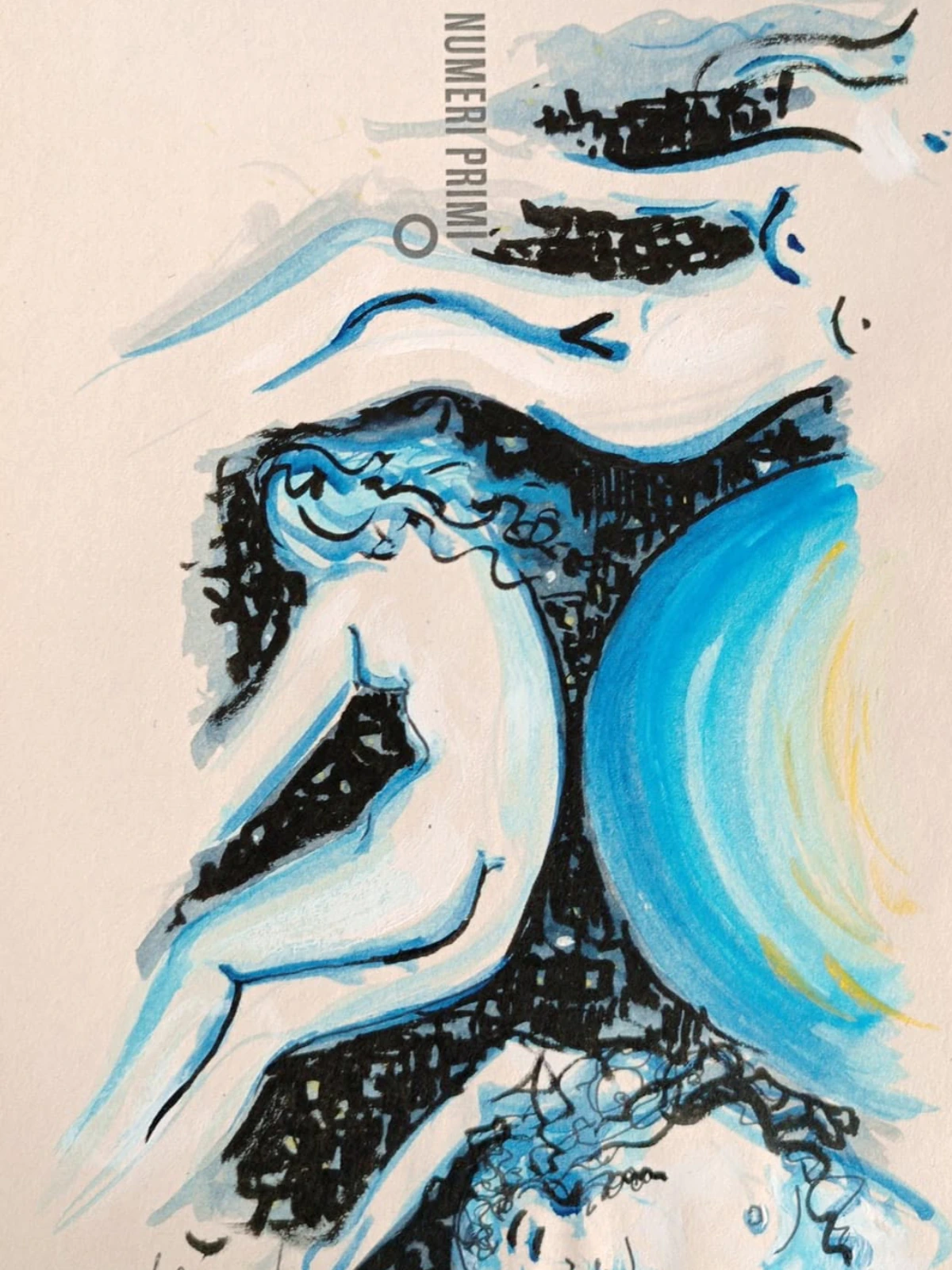
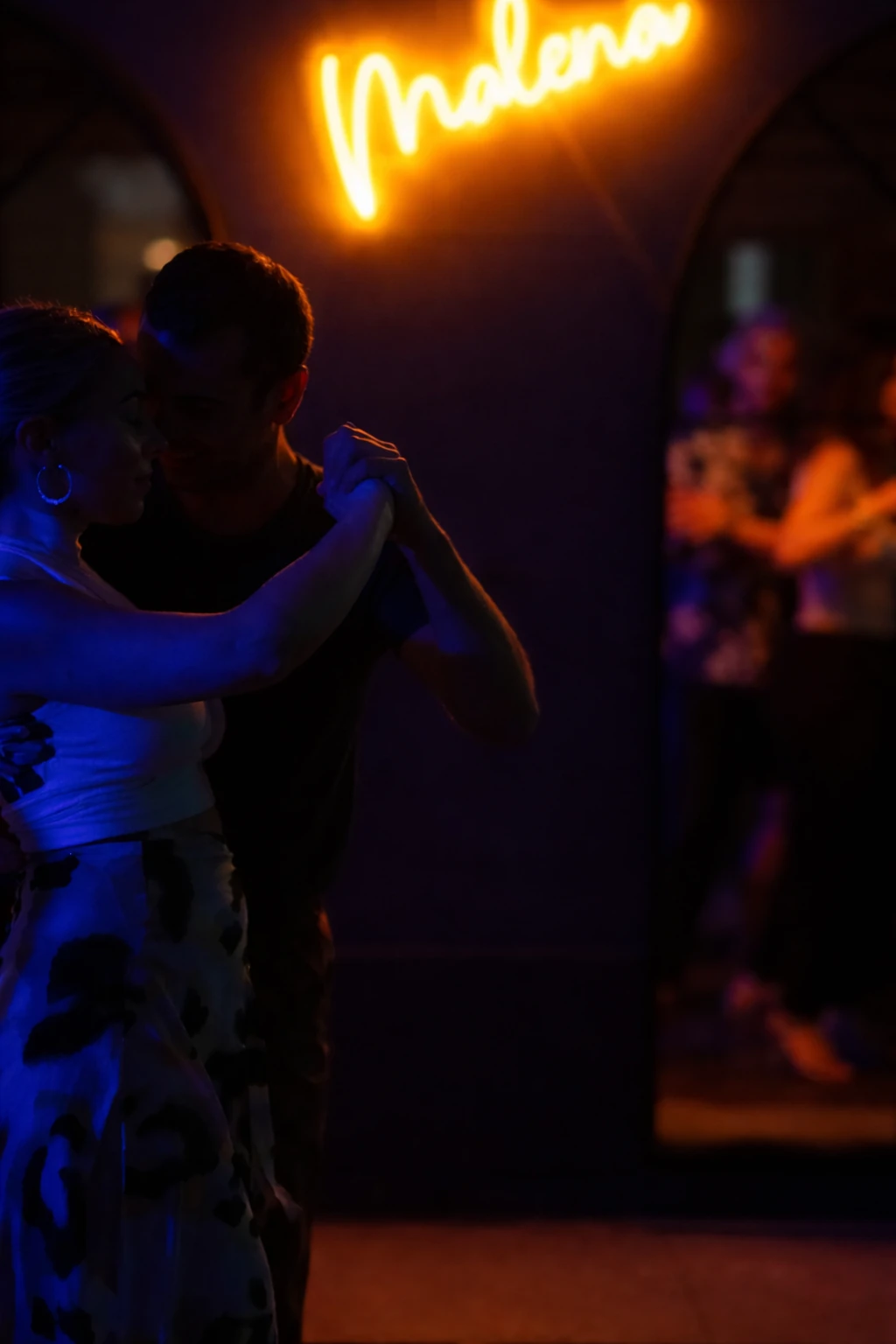
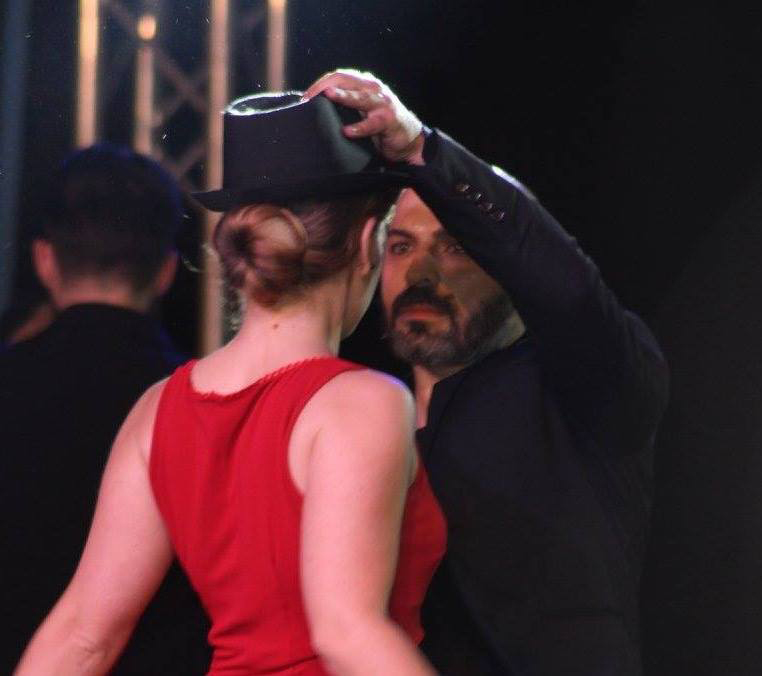
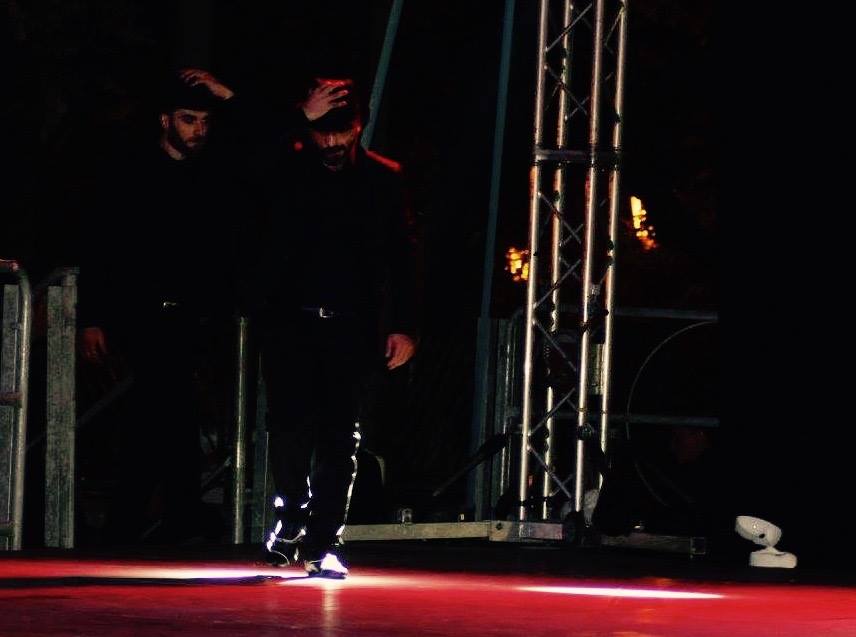
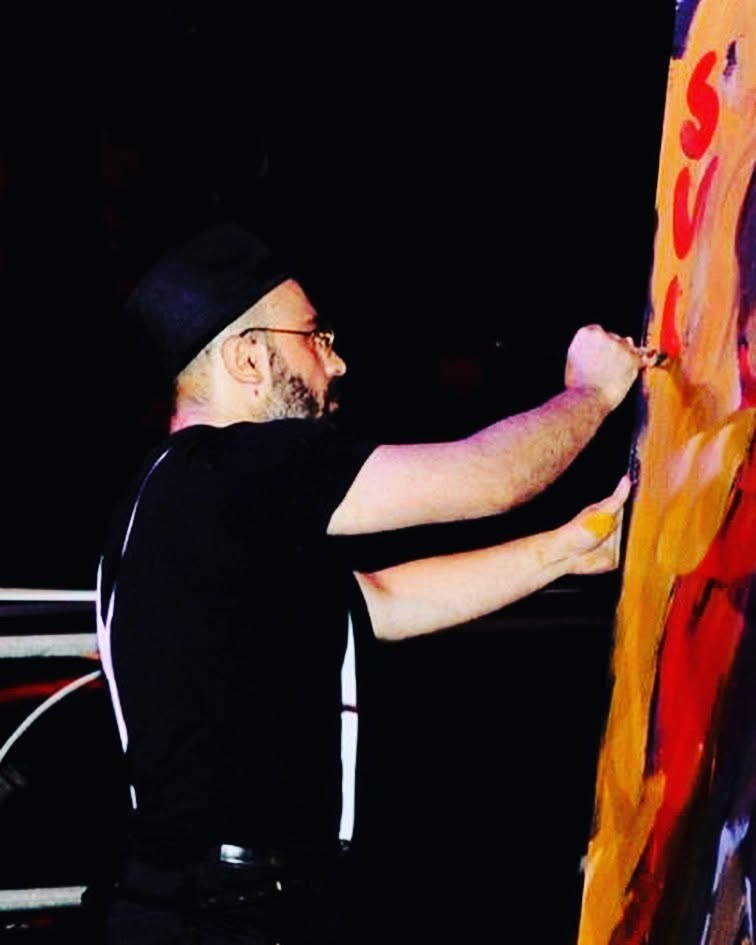
Painting leaves the studio and becomes an event. In SUEÑO, the painted gesture enters into dialogue with Argentine tango, rhythm and the movement of the body. The act of painting is no longer only the production of an image but a temporary encounter between space, music, movement and visual sign.
Terronia · A’ Vita
South · Identity · Corno · Sacred & Popular
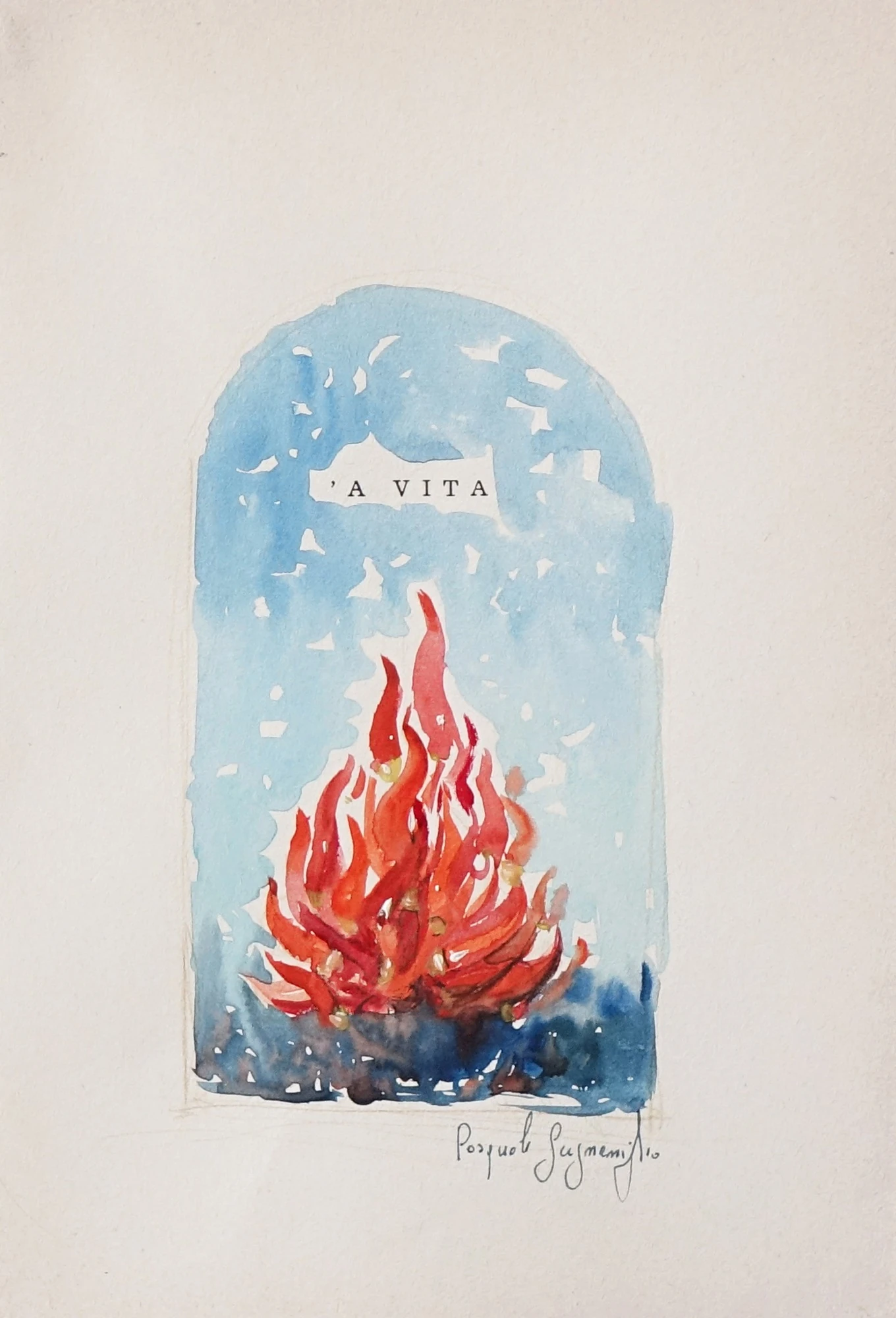
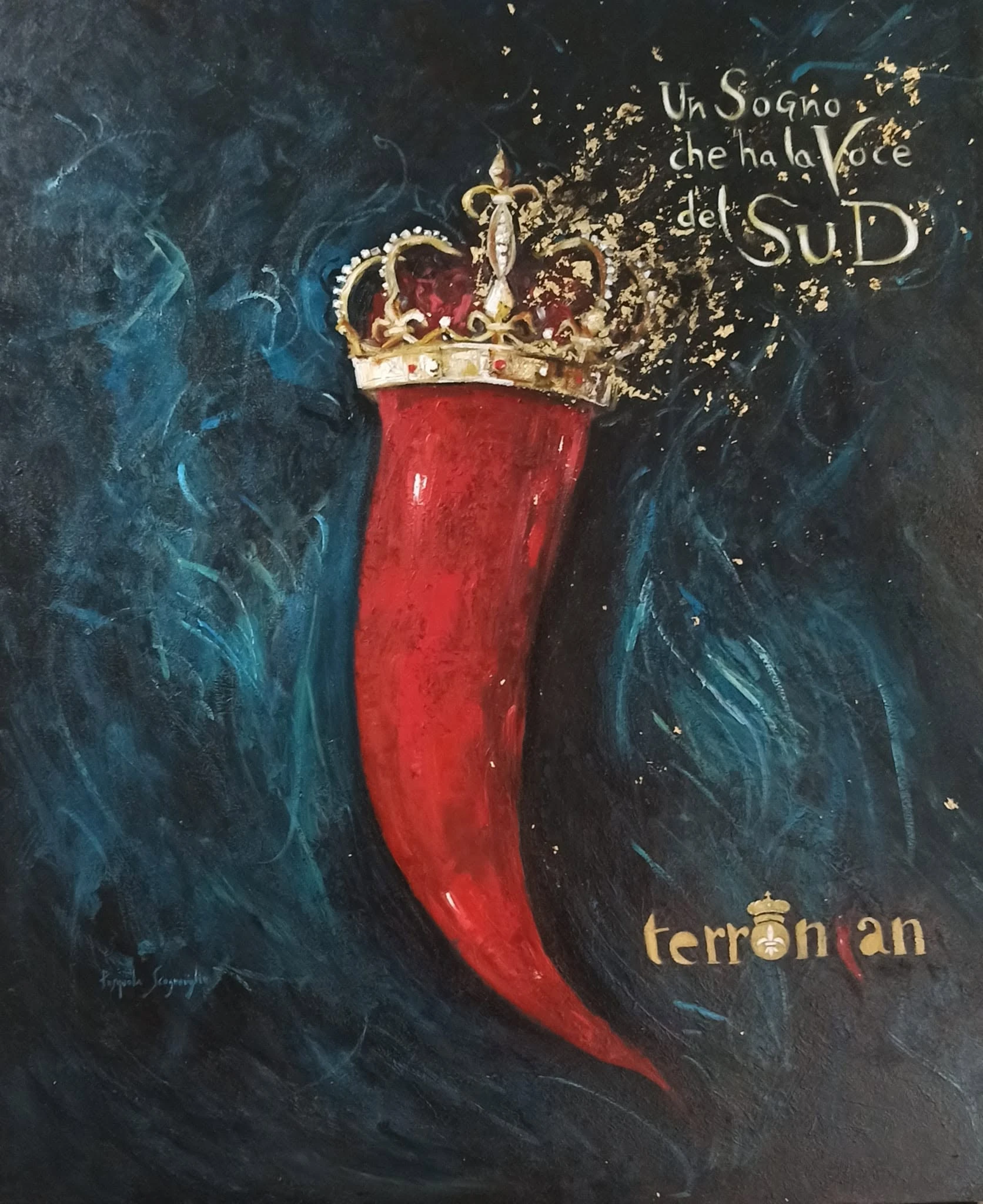
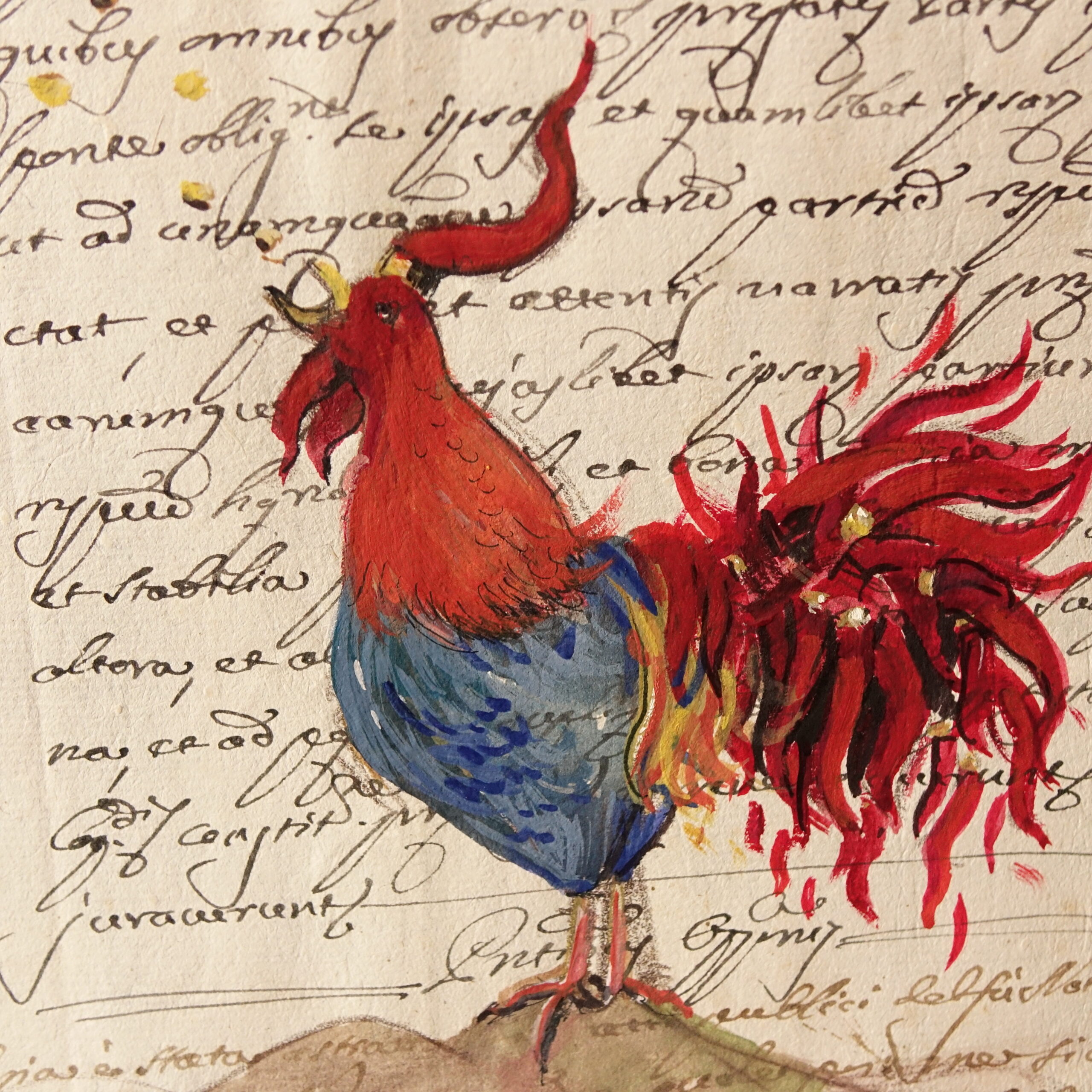
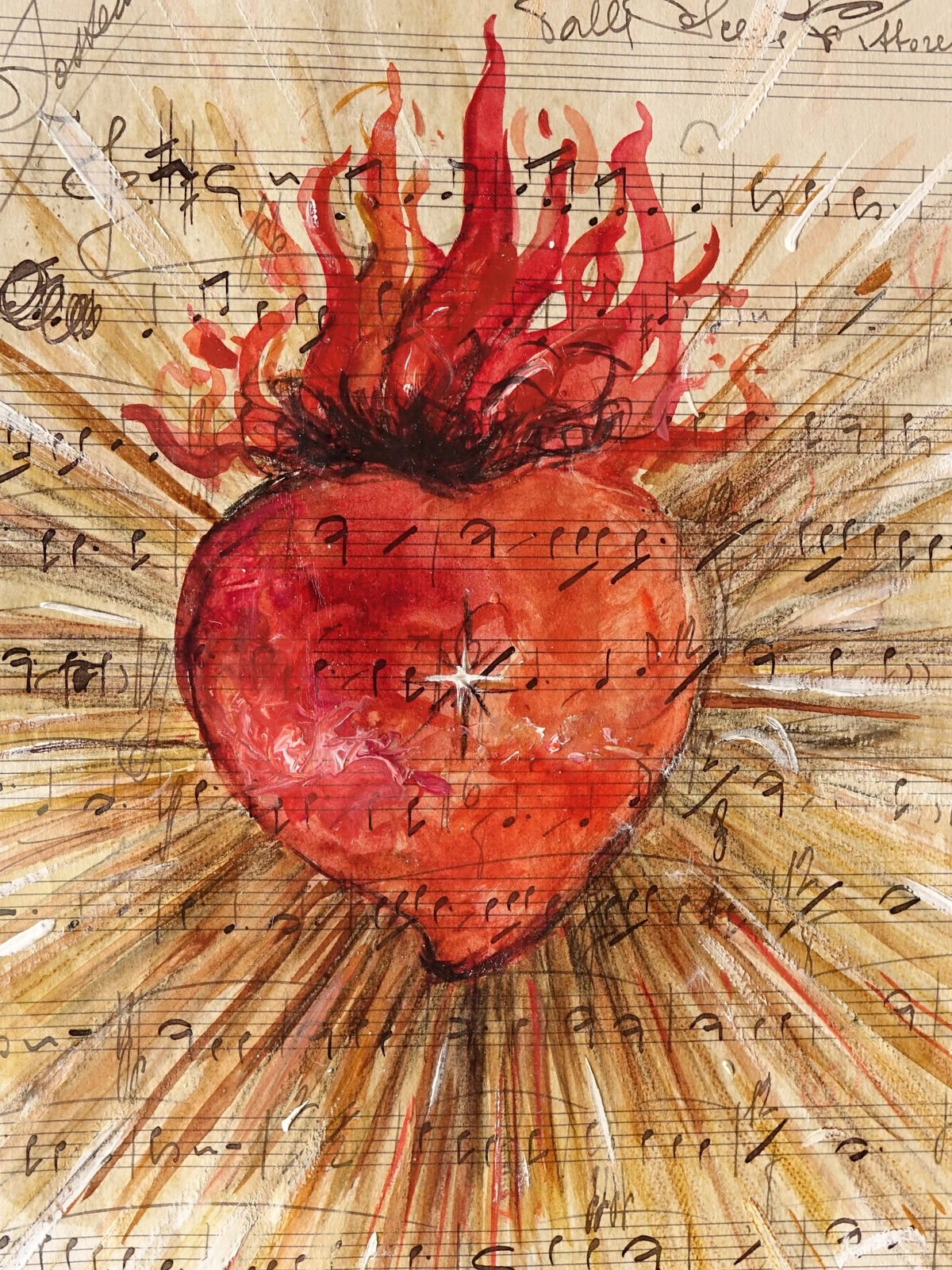
Southern Italian identity becomes a visual alphabet. The Neapolitan horn, San Gennaro, the Sacred Heart, flames and popular devotional imagery coexist within a language in which sacred and profane continually overlap. A’ Vita, with its flame formed by red horns, becomes an emblem of vitality, protection and belonging.
Symbols & Myths of Naples
Partenope · Symbols · Memory · Naples
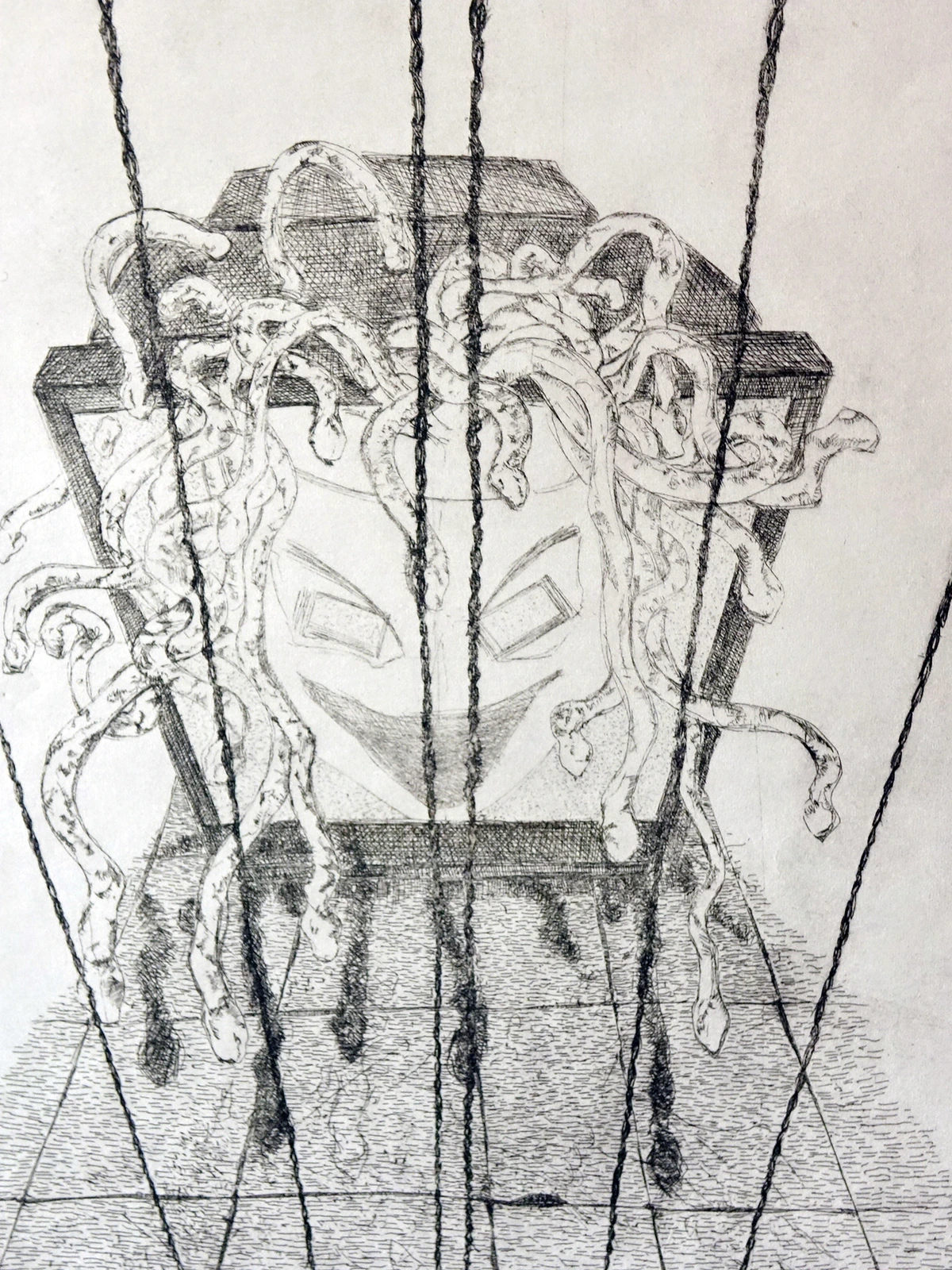
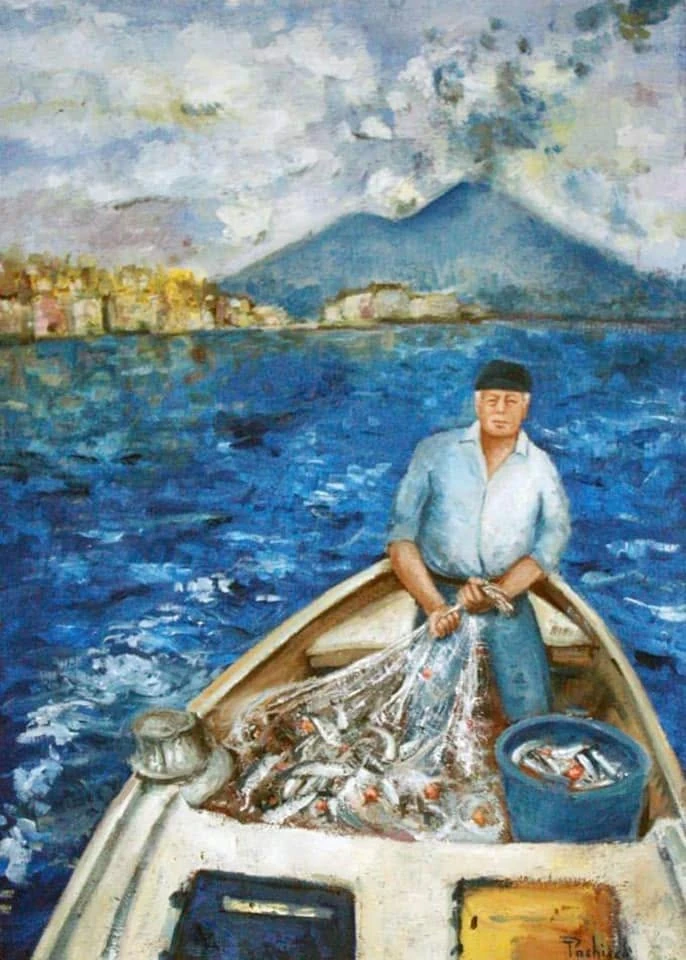
Naples is interpreted as a city made of overlapping narratives. Partenope, popular symbols, superstition, sacred imagery and fragments of daily life form a visual mythology in which history and legend are inseparable. Familiar signs are removed from their ordinary context and transformed into contemporary emblems of identity.
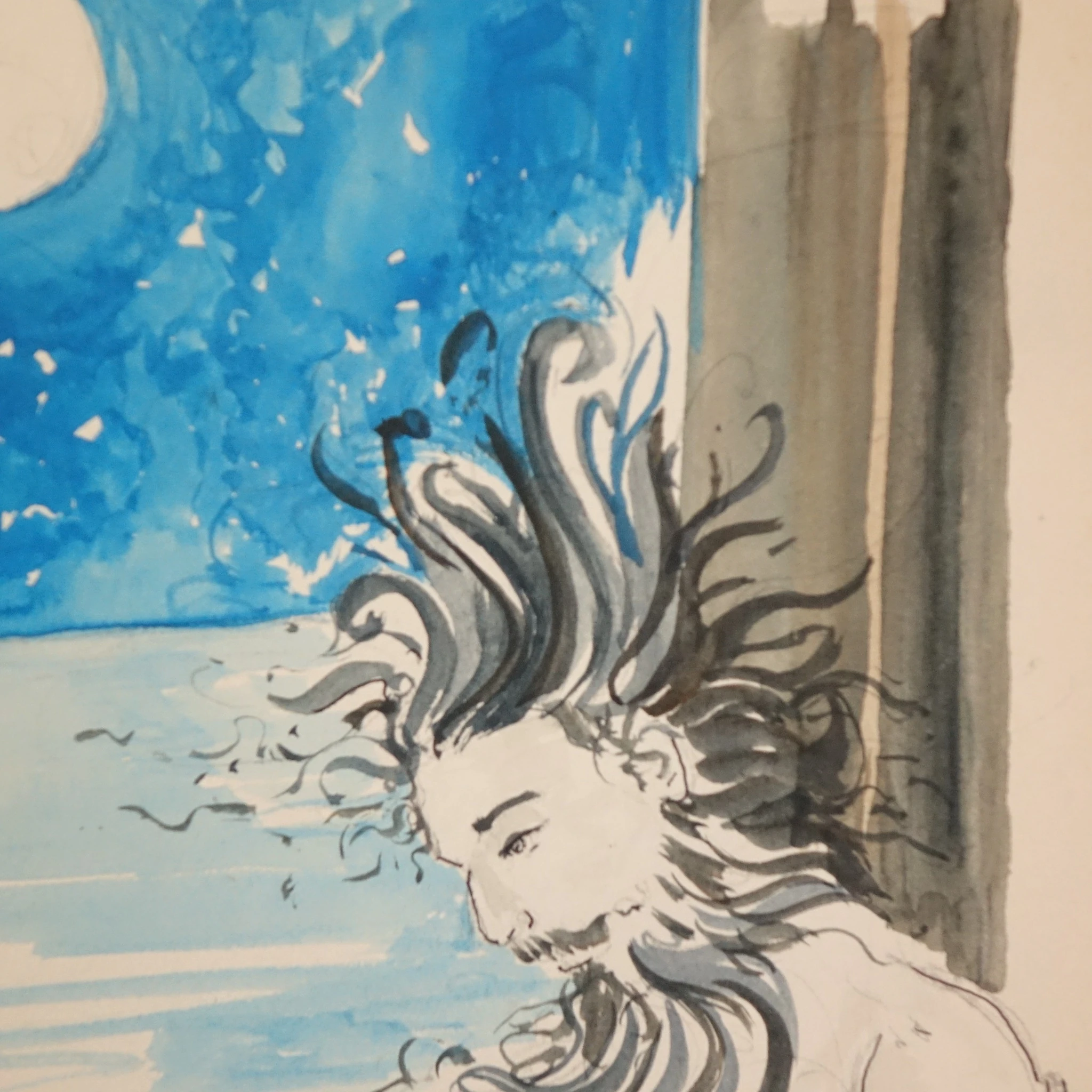
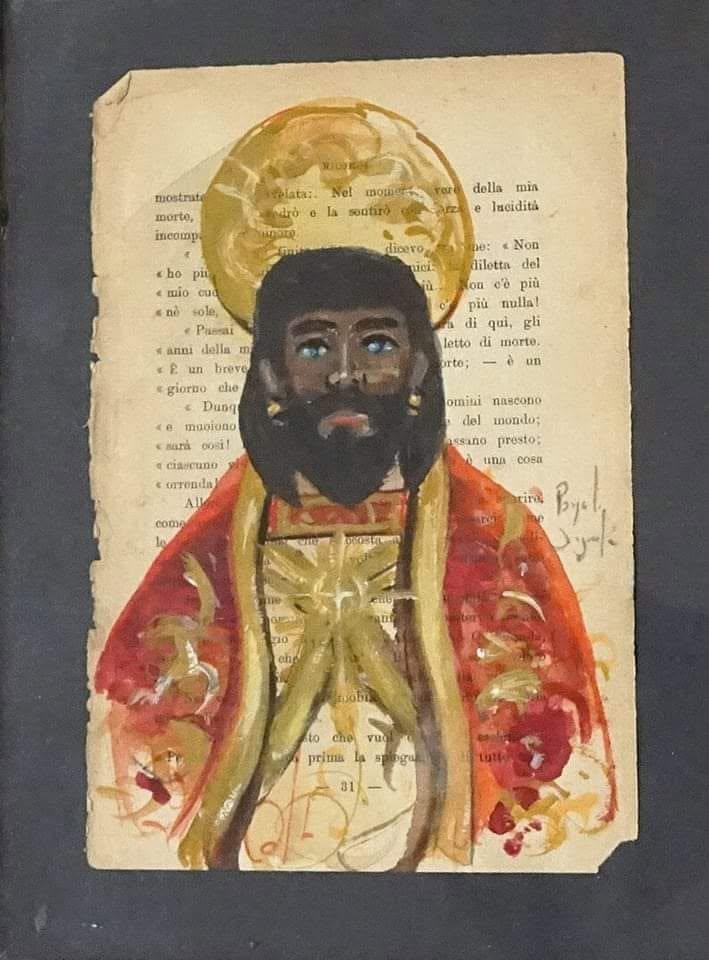
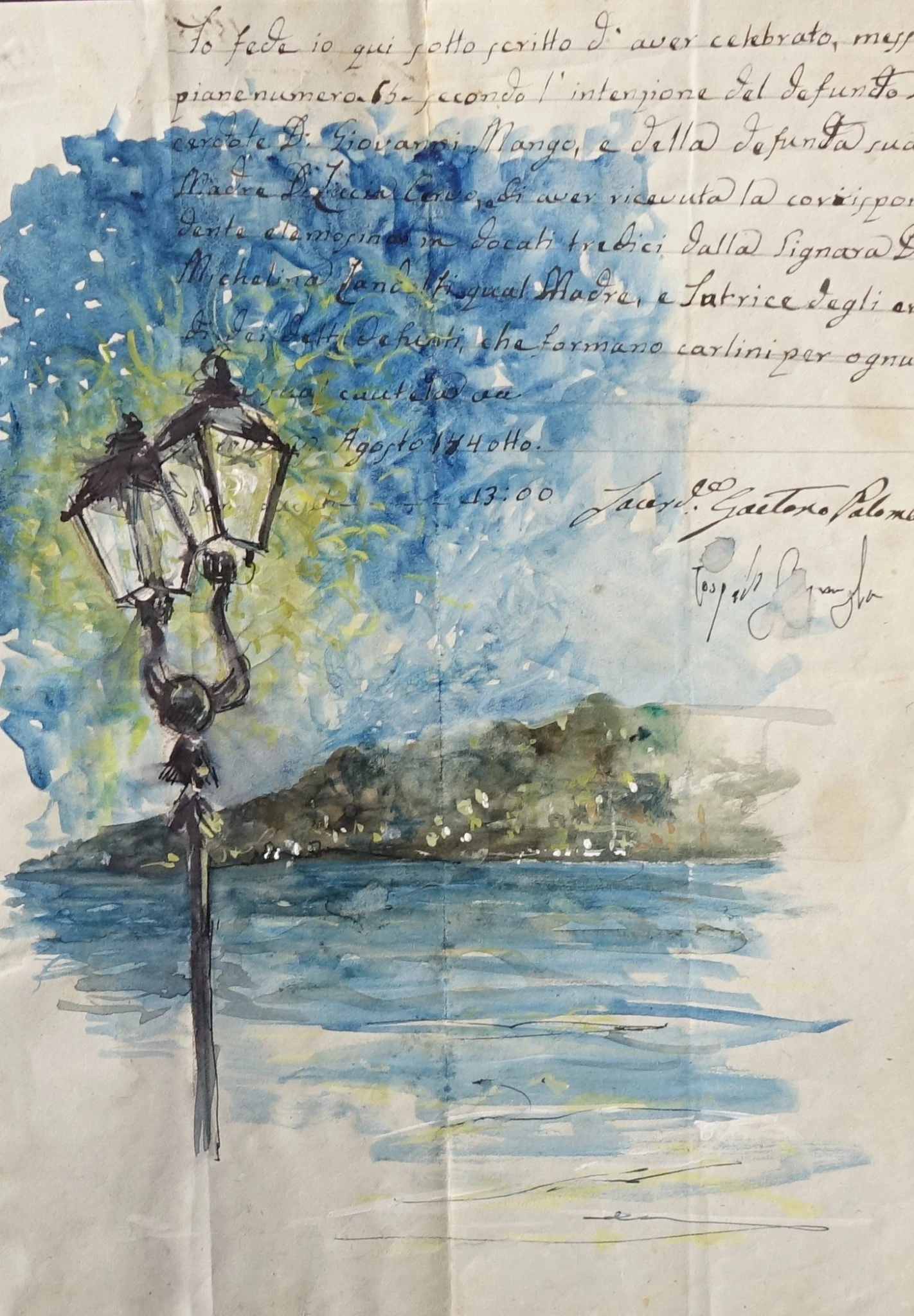
Watercolours on Vintage Paper
Watercolour · Old Books · Memory · Time
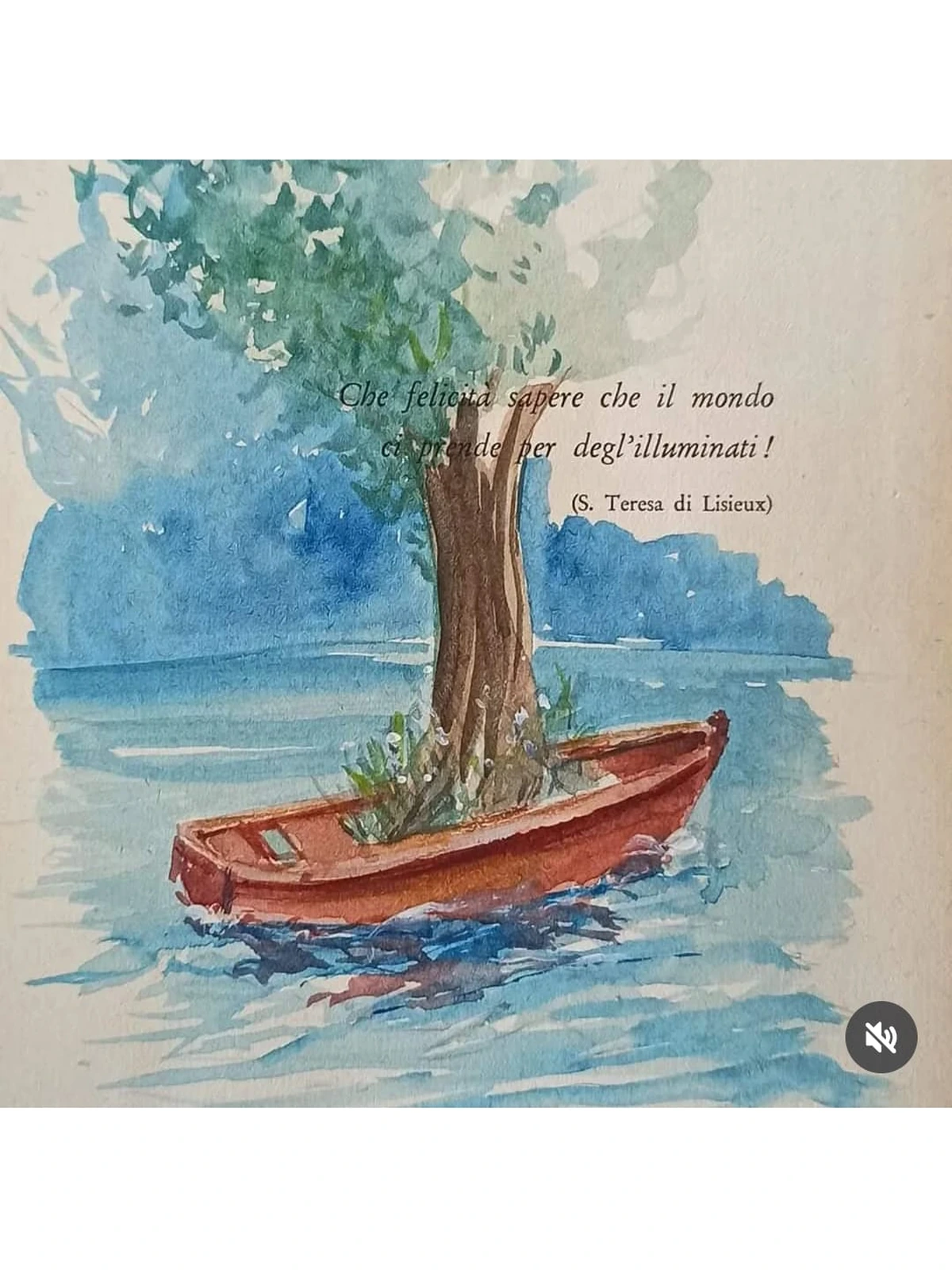
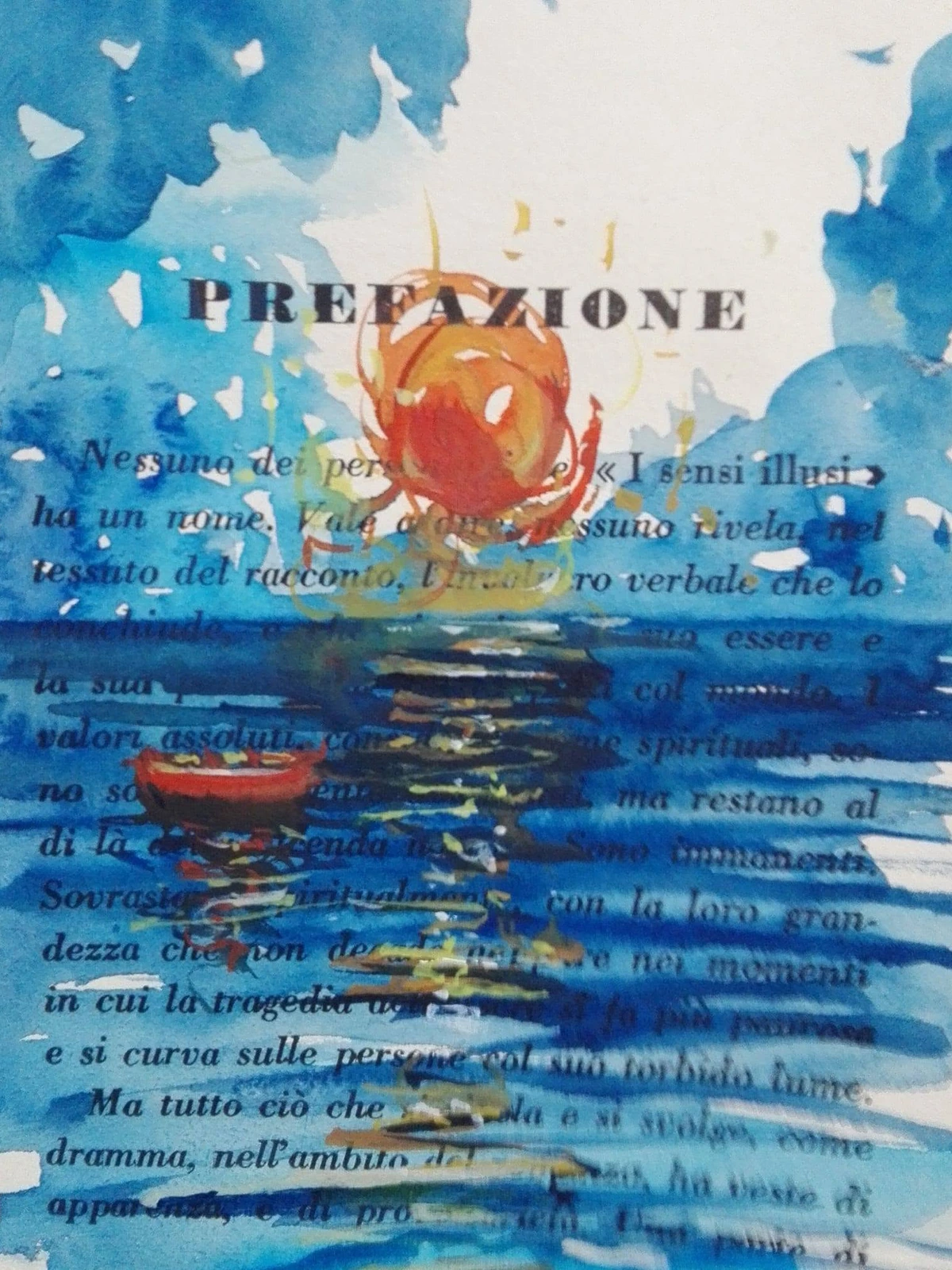
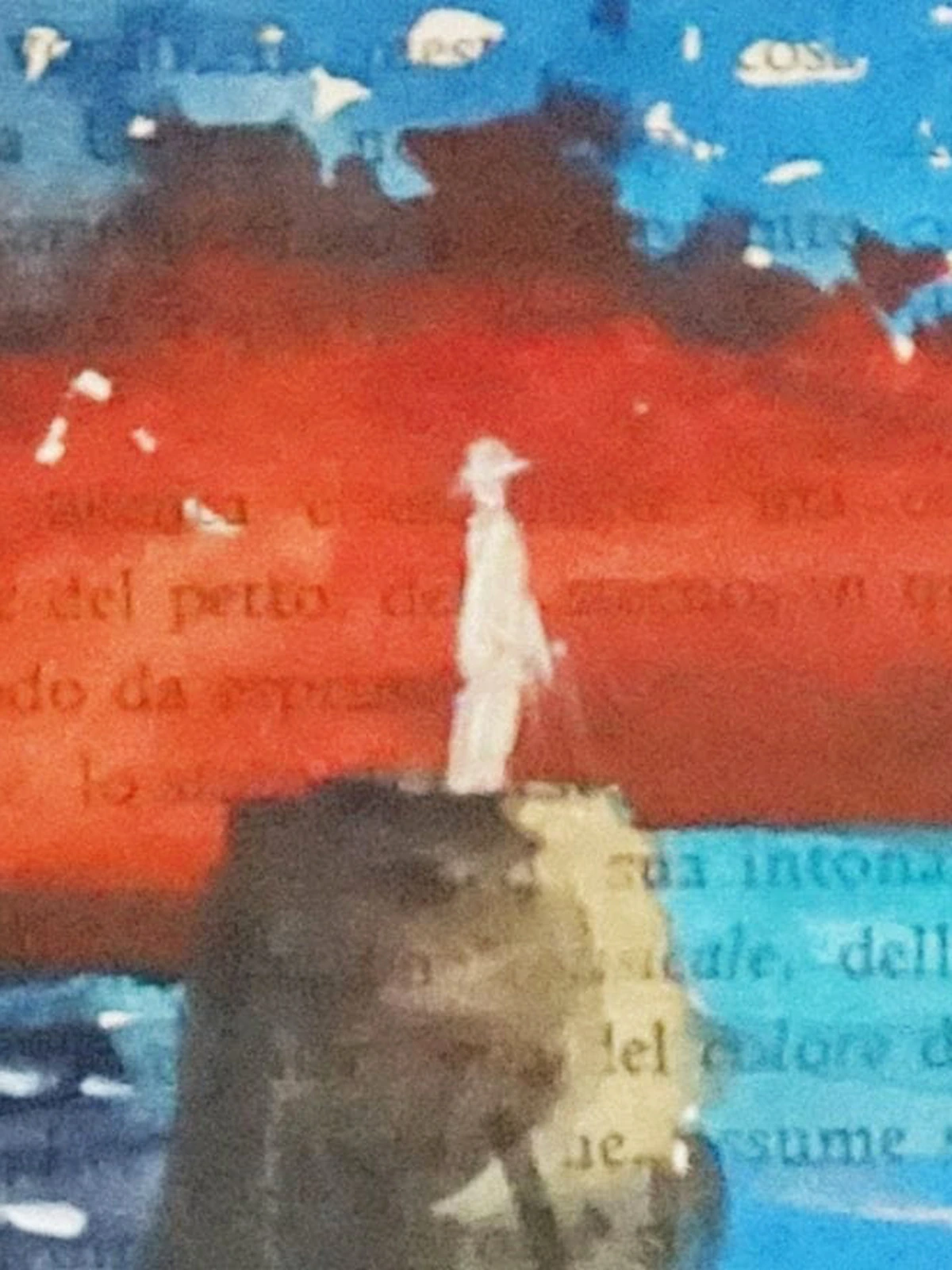
Old pages become both support and part of the image. Watercolour interacts with printed words, traces of time and the material memory of books. Sirens, trees, fruits, animals and symbolic objects emerge above texts that belonged to another life, creating a dialogue between past and present, image and language, memory and transformation.
Tango
Body · Embrace · Rhythm · Tension · Movement
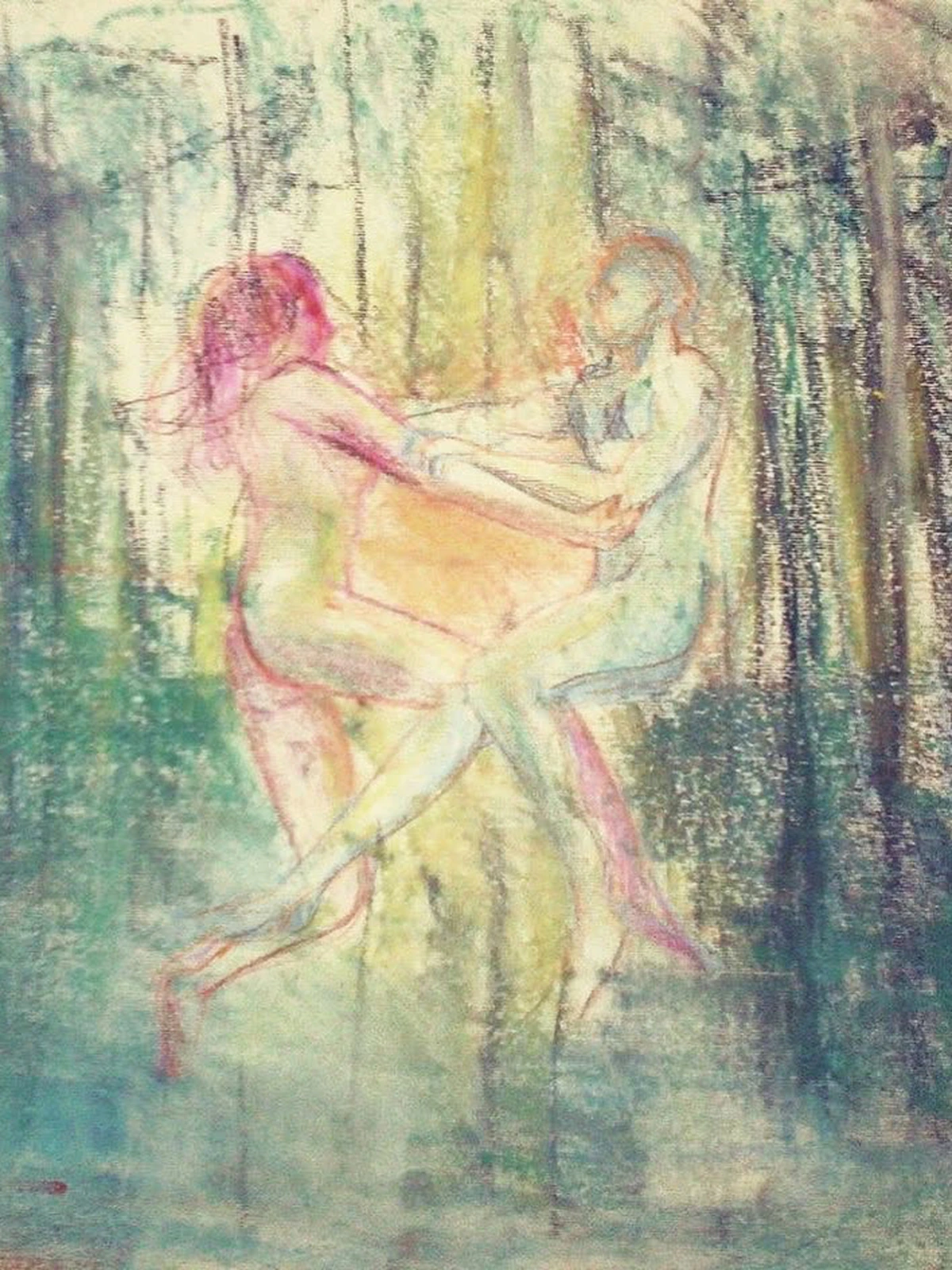
Work in ProgressAn ongoing visual research dedicated to Argentine tango and to the relationship between two bodies in movement. The embrace, balance, tension, waiting and improvisation become elements of a pictorial language in which the figure is never completely static. Tango is investigated not only as dance, but as an emotional and spatial condition: a continuous negotiation between proximity and distance, control and freedom, silence and rhythm.
Different images, different moments, different techniques. What remains constant is the need to transform memory, experience and movement into a sign.
Pasquale Scognamiglio